
Automated Incident Response and Threat Mitigation
Rapid Incident Response Powered by Smart Automation
Automation is essential for reducing damage during cyberattacks. Our Automated Incident Response and Threat Mitigation platform acts the moment a threat is confirmed. Artificial intelligence analyzes the situation, determines the best course of action, and initiates containment procedures without waiting for human intervention. This level of automation significantly reduces downtime and prevents the escalation of threats.

Instant Containment of Threats
When suspicious activity is detected, the platform can isolate affected systems, block compromised accounts, terminate malicious processes, and restrict network access. This helps prevent attackers from spreading laterally or stealing sensitive information.
Automated Playbooks Designed for Your Environment
We create custom response playbooks that align with your infrastructure and security policies. These playbooks ensure consistent responses and enable automated actions to be executed quickly during critical situations. This results in faster recovery and fewer disruptions.


Deep Forensic Analysis and Continuous Improvement
After an incident is contained, the system gathers forensic data, identifies root causes, and recommends improvements. This helps organizations strengthen their defenses and reduce the likelihood of future incidents.
RAPID INCIDENT RESPONSE POWERED BY SMART AUTOMATION
In an environment where cyber threats evolve rapidly and attacks unfold within seconds, the ability to respond instantly is no longer optional—it is critical. Traditional incident response models often depend on manual processes, which introduce delays that attackers can exploit to expand their reach within a network. Smart automation transforms this process by enabling immediate, intelligent action the moment a threat is identified. Instead of waiting for human validation, the system evaluates the situation in real time, determines the severity, and initiates a precise response strategy designed to contain and neutralize the threat before it escalates.
Artificial intelligence enhances this capability by continuously analyzing threat behavior, contextual signals, and system activity to make accurate, data-driven decisions at speed. It ensures that every action taken is aligned with the organization’s security policies and operational priorities, minimizing disruption while maximizing protection. This approach not only reduces response time but also improves consistency and reliability across all incident scenarios. As a result, organizations gain a resilient defense mechanism that operates around the clock, capable of handling complex threats with speed, precision, and confidence.
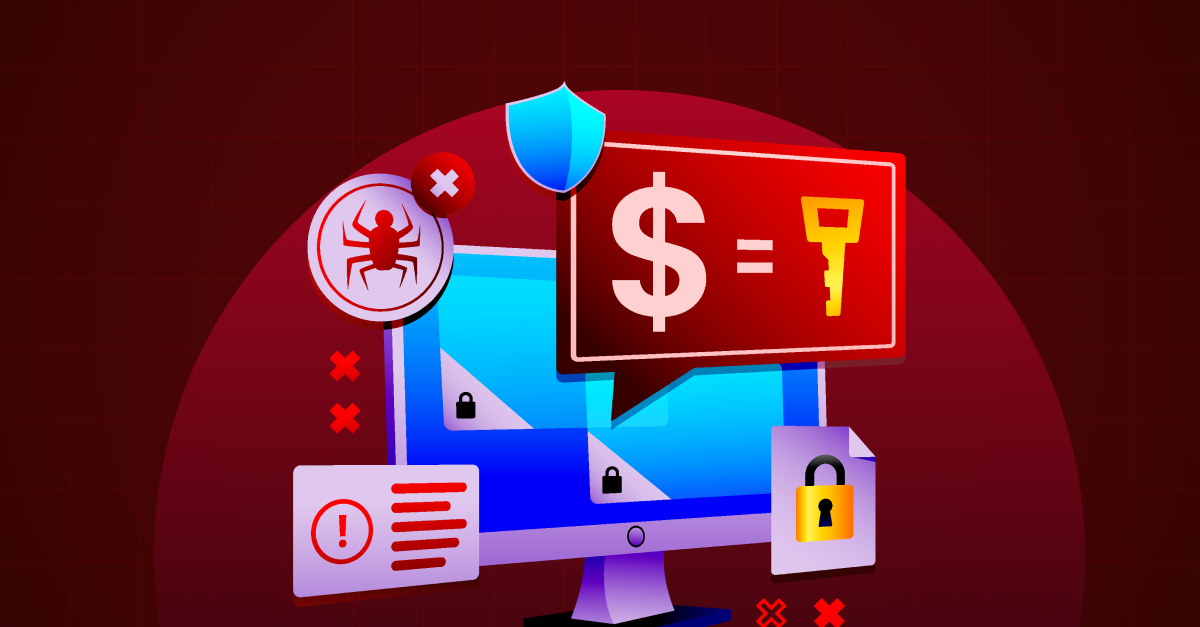

INSTANT CONTAINMENT OF THREATS
The ability to contain a threat within seconds can significantly limit its impact and prevent widespread damage. Once suspicious activity is detected, the platform immediately executes containment measures designed to isolate and neutralize the threat at its source. This includes actions such as disconnecting compromised endpoints, disabling affected user accounts, blocking malicious IP addresses, terminating unauthorized processes, and restricting access to critical systems. These actions are carried out simultaneously and intelligently, ensuring that the threat is contained quickly without unnecessary interruption to unaffected areas of the network.
This rapid containment strategy is particularly effective against advanced attacks that rely on lateral movement to spread across systems. By isolating compromised components early, the platform prevents attackers from gaining deeper access or extracting sensitive data. At the same time, it maintains operational continuity by applying targeted controls rather than broad shutdowns. This balance between security and functionality ensures that organizations can continue their operations while the threat is being managed. The result is a controlled, efficient response that minimizes damage, reduces recovery time, and preserves business continuity.
AUTOMATED PLAYBOOKS DESIGNED FOR YOUR ENVIRONMENT
Effective incident response requires not only speed but also structure and consistency. Automated playbooks provide a predefined framework for handling various types of security incidents, ensuring that every response is executed with precision and alignment to organizational policies. These playbooks are customized to reflect your unique infrastructure, workflows, compliance requirements, and risk tolerance. Each scenario—whether it involves phishing, ransomware, insider threats, or unauthorized access—is mapped with a sequence of actions that can be triggered automatically when specific conditions are met.
Customization ensures that automated responses are not generic but tailored to the specific needs of your environment. This reduces the risk of errors and ensures that actions taken during an incident are both appropriate and effective. Additionally, automation removes the burden of repetitive and time-sensitive tasks from security teams, allowing them to focus on higher-level analysis and strategic decision-making. As threats evolve, playbooks can be continuously refined and updated to reflect new attack patterns and organizational changes. This dynamic approach ensures that your response capabilities remain relevant, efficient, and aligned with the ever-changing threat landscape.

DEEP FORENSIC ANALYSIS AND CONTINUOUS IMPROVEMENT
A strong security strategy extends beyond immediate response and focuses on long-term resilience. After a threat has been contained, the platform conducts an in-depth forensic analysis to understand the full scope and origin of the incident. It collects detailed data on how the attack occurred, which systems were affected, what vulnerabilities were exploited, and how the threat moved through the network. This comprehensive analysis provides valuable insights that help organizations identify weaknesses and improve their defenses.
The platform then uses these insights to drive continuous improvement across the entire security framework. Detection models are refined, response strategies are enhanced, and recommendations are provided to strengthen policies and controls. This creates a continuous feedback loop where every incident contributes to a smarter and more adaptive defense system. Over time, organizations benefit from a security posture that evolves with each experience, becoming more resilient against future threats. This commitment to learning and optimization ensures that businesses are not only responding to threats effectively but are also proactively preparing for what comes next.