
AI Penetration Testing and Vulnerability Analysis
Intelligent Penetration Testing for a Stronger Security Posture
AI Penetration Testing and Vulnerability Analysis enhances traditional security assessments by using artificial intelligence to simulate the actions of skilled attackers. The platform continuously evaluates your systems, providing a more accurate and frequent assessment of your security exposure.

Adaptive Attack Simulation
AI performs realistic simulations that mimic real-world hacking techniques. It evaluates how systems respond to brute force attempts, privilege escalation, misconfigurations, exposed services, and other advanced attack paths. This continuous simulation helps identify weaknesses long before attackers can exploit them.
Continuous Vulnerability Assessment
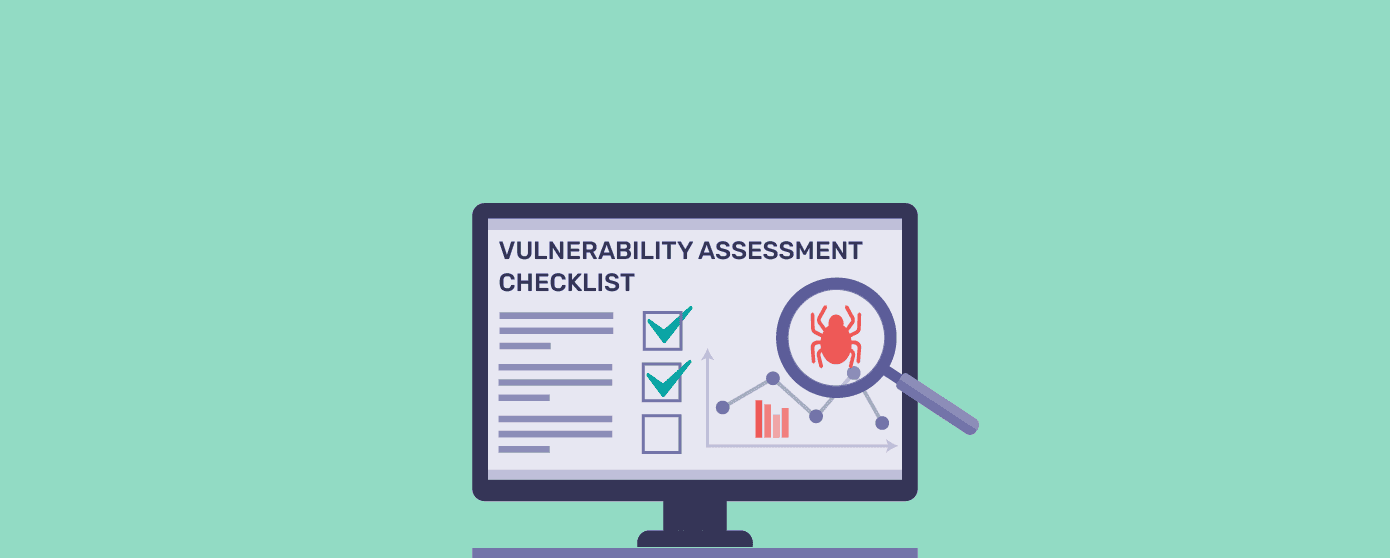
Rather than waiting for annual penetration tests, our AI engine performs daily or real-time scans. It monitors new vulnerabilities, analyzes code changes, checks configurations, and alerts teams when new risks arise.
Prioritized Risk Scoring for Strategic Remediation
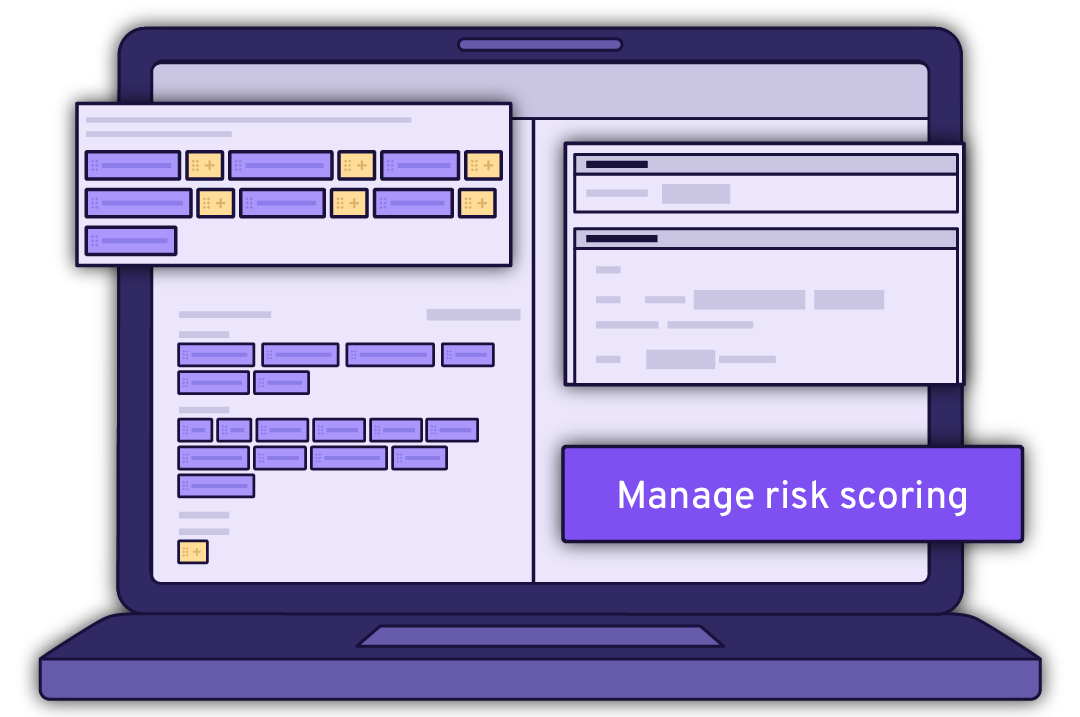
The AI evaluates vulnerabilities based on severity, potential impact, exploit availability, business importance, and global threat trends. This prioritization helps organizations address critical issues first and allocate resources effectively.
INTELLIGENT PENETRATION TESTING FOR A STRONGER SECURITY POSTURE
In today’s rapidly evolving digital landscape, cyber threats are no longer isolated or predictable. Attackers continuously refine their techniques, often combining multiple vulnerabilities to gain access and maintain persistence within systems. Traditional penetration testing, while valuable, is limited by its periodic nature and inability to adapt in real time. Intelligent Penetration Testing powered by AI addresses these limitations by introducing a continuous, adaptive, and highly intelligent approach to identifying and understanding security weaknesses. It operates as an always-active testing mechanism that simulates real-world attack behavior across your infrastructure, ensuring that vulnerabilities are identified as they emerge—not months later.
This advanced capability provides organizations with a deeper and more contextual understanding of their security posture. The system does not simply detect isolated weaknesses; it evaluates how those weaknesses interact within the broader environment. By mapping potential attack paths and identifying how multiple vulnerabilities can be chained together, it reveals the true level of risk facing the organization. This allows security teams to move beyond surface-level assessments and adopt a more strategic approach to defense. Over time, this continuous and intelligent testing model strengthens resilience, reduces exposure, and ensures that the organization remains prepared for both current and emerging threats.


ADAPTIVE ATTACK SIMULATION
Adaptive attack simulation introduces a dynamic and realistic method of testing system defenses by mimicking the behavior of skilled and persistent attackers. The AI engine conducts multi-layered simulations that replicate real-world attack techniques, including credential-based attacks, privilege escalation, exploitation of misconfigurations, lateral movement, and targeting of exposed services. Unlike traditional testing methods that follow predefined scripts, this system continuously adapts its approach based on how the environment responds. It learns from each interaction, adjusting its tactics to identify the most effective paths to compromise.
This adaptive capability provides a level of realism that is critical for uncovering hidden and complex vulnerabilities. It reveals not only individual weaknesses but also how those weaknesses can be combined to create sophisticated attack chains. This insight is invaluable for understanding how an attacker might progress through the system, from initial entry to deeper levels of access. By continuously running these simulations, organizations gain ongoing visibility into their defensive capabilities and can validate the effectiveness of their security controls. This enables proactive strengthening of defenses and ensures that systems are prepared to withstand advanced and evolving threats.
CONTINUOUS VULNERABILITY ASSESSMENT
Continuous vulnerability assessment transforms the way organizations manage risk by replacing static, point-in-time evaluations with a real-time, always-on monitoring approach. As systems evolve through updates, configuration changes, and new deployments, vulnerabilities can be introduced without immediate awareness. The AI-driven platform continuously scans the environment to detect these risks as they arise, ensuring that no gap in visibility exists. This constant monitoring provides organizations with an up-to-date understanding of their security posture at all times.
The platform also integrates seamlessly into development and operational processes, enabling security to be embedded into the lifecycle of every system and application. It analyzes code changes, reviews configurations, and monitors system behavior to identify vulnerabilities early—often before they reach production environments. Immediate alerts and actionable insights allow teams to respond quickly, reducing the window of exposure and minimizing potential impact. This continuous approach ensures that security is not a reactive measure but an integral part of everyday operations, supporting a proactive and resilient defense strategy.

PRIORITIZED RISK SCORING FOR STRATEGIC REMEDIATION
In complex environments, the challenge is not just identifying vulnerabilities but determining which ones pose the greatest threat to the organization. Without proper prioritization, security teams can become overwhelmed, leading to delayed responses and increased risk exposure. The AI-powered risk scoring system addresses this challenge by evaluating vulnerabilities across multiple dimensions, including severity, exploitability, potential business impact, system criticality, and alignment with current global threat intelligence. This multi-factor analysis provides a clear and accurate picture of which issues require immediate attention.
This strategic prioritization enables organizations to allocate resources effectively and focus on high-impact remediation efforts. Instead of addressing vulnerabilities in isolation or based on generic scoring models, teams can make informed decisions that align with their specific risk profile and business objectives. The platform also provides contextual recommendations that guide the remediation process, ensuring that actions taken are both efficient and effective. Over time, this approach leads to faster resolution of critical issues, reduced overall risk, and a stronger, more resilient security posture that is capable of adapting to an ever-changing threat landscape.