
Incident Response Planning
Incident Response Planning
Even organizations with strong cybersecurity defenses must prepare for the possibility of unexpected security incidents. Cyberattacks, data breaches, and system failures can occur despite preventive measures, making it essential for organizations to have a clear and structured response strategy in place. IntelliSonic Inc. provides Incident Response Planning services that help businesses prepare for and manage cybersecurity incidents effectively. Our approach focuses on developing detailed response frameworks that outline procedures for identifying threats, containing incidents, mitigating damage, and restoring systems to normal operations as quickly as possible.
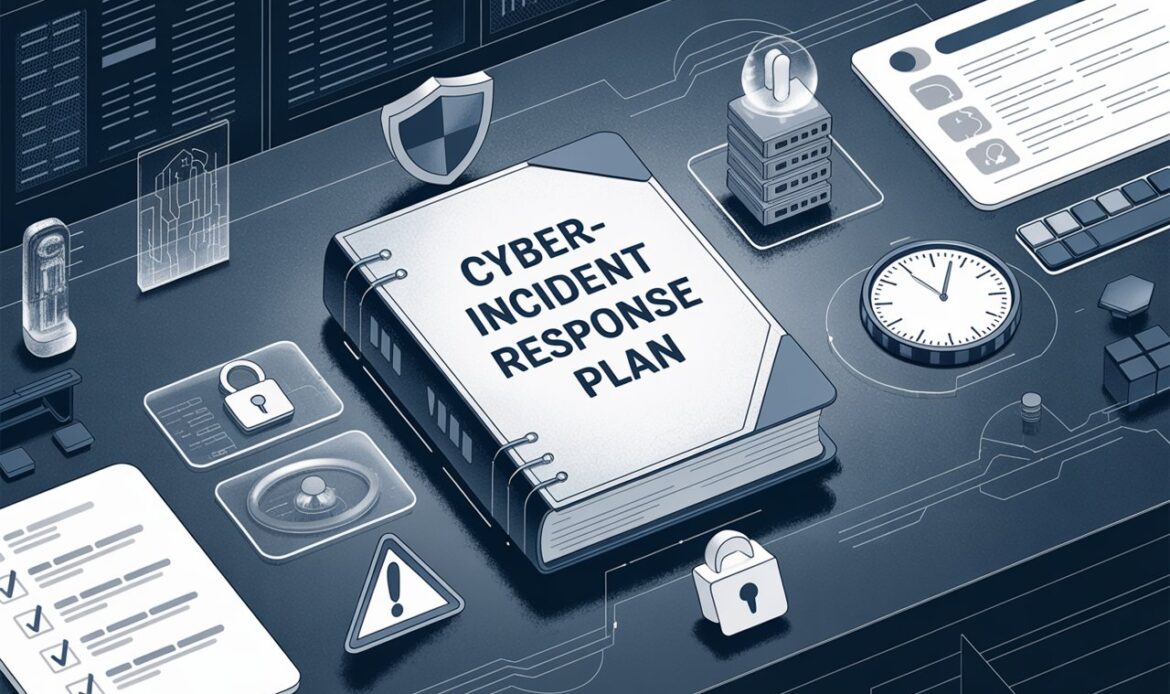
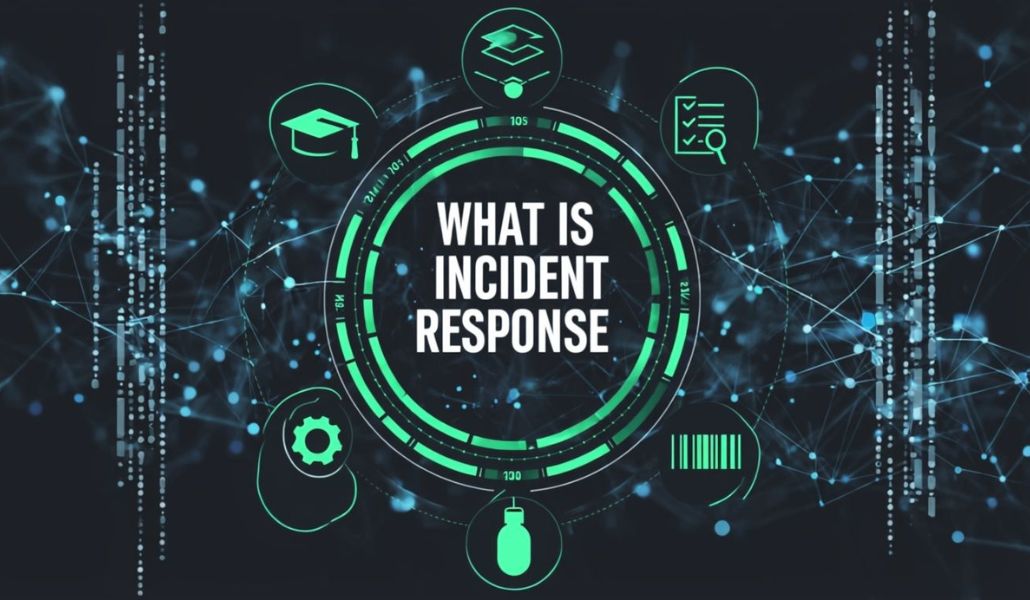
Preparation plays a critical role in minimizing the impact of security incidents. IntelliSonic Inc. works closely with organizations to design customized response plans that reflect their infrastructure, operational processes, and regulatory requirements. These plans clearly define roles and responsibilities for internal teams, establish communication protocols for stakeholders, and integrate disaster recovery procedures that support rapid system restoration. To ensure readiness, we conduct simulated cyberattack scenarios and tabletop exercises that allow response teams to practice decision-making and coordination under realistic conditions. This preparation helps organizations respond confidently and efficiently during real incidents, reducing downtime, protecting sensitive data, and maintaining operational continuity.
- Incident Response Framework Development
Designing structured plans that outline procedures for detecting, containing, and resolving cyber incidents. - Team Role Definition
Establishing clear responsibilities for internal teams and external partners involved in incident management. - Communication Protocols
Creating communication strategies for notifying leadership, stakeholders, and regulatory authorities when necessary. - Disaster Recovery Integration
Ensuring response plans align with business continuity and disaster recovery strategies for rapid system restoration.
Even with strong preventive measures, no organization is immune to cyber incidents. A structured Incident Response Plan ensures rapid containment, minimal damage, and quick recovery.
Our Incident Response Planning service includes:
- Development of customized incident response frameworks
- Role and responsibility definition for response teams
- Communication protocols for internal and external stakeholders
- Data breach response procedures
- Disaster recovery alignment
We conduct simulated attack scenarios and tabletop exercises to test preparedness and refine response strategies. These exercises help teams respond confidently and efficiently during real incidents.
Incident Classification Guidelines
A well-defined response starts with understanding the type and severity of an incident. We create clear classification guidelines that categorize incidents based on their impact and urgency. This ensures that your team knows exactly how to respond in different situations, whether it’s a minor issue or a critical breach. By having a structured classification system in place, organizations can allocate resources more effectively and avoid confusion during high-pressure situations. This clarity leads to faster and more organized responses.
Rapid Containment Strategies
When a security incident occurs, time is critical. Our containment strategies focus on quickly isolating affected systems to prevent the issue from spreading further. This may involve restricting access, disconnecting compromised devices, or limiting network activity. By acting quickly, organizations can reduce the overall impact of the incident and protect unaffected areas. These strategies are designed to be clear and easy to execute, ensuring that your team can respond confidently even under pressure.


Forensic Investigation Support
After an incident is contained, understanding what happened becomes essential. We provide support in analyzing system logs, user activity, and other relevant data to identify the root cause of the issue. This process helps determine how the incident occurred, what vulnerabilities were exploited, and what actions were taken. These insights are critical for preventing similar incidents in the future. A thorough investigation not only resolves the immediate issue but also strengthens your long-term security strategy.
Legal & Regulatory Response Alignment
Certain incidents, especially those involving sensitive data, may require reporting to regulatory authorities. We ensure that your incident response plan includes clear steps for meeting legal and compliance obligations. This includes identifying when reporting is required, preparing necessary documentation, and following proper communication channels. By aligning your response with legal requirements, your organization can avoid penalties and demonstrate responsible handling of security incidents.


Post-Incident Review Process
Once an incident has been resolved, it is important to evaluate how it was handled. We guide organizations through a structured review process that examines response effectiveness, identifies gaps, and highlights areas for improvement. This review helps refine your incident response plan and ensures that your team is better prepared for future events. Learning from past incidents is a key part of building a stronger and more resilient organization.
Data Breach Response Planning
Data breaches require a focused and well-coordinated response due to their potential impact on customers and stakeholders. We develop specific procedures for handling data-related incidents, including containment, investigation, and communication. This ensures that sensitive information is protected and that the situation is managed responsibly. A clear plan helps reduce confusion and allows your team to act quickly and effectively during high-risk scenarios.


Communication Templates
Clear and timely communication is critical during an incident. We provide ready-to-use templates for notifying internal teams, customers, partners, and regulatory bodies. These templates ensure that messages are consistent, accurate, and aligned with your organization’s policies. By having predefined communication guidelines, your team can respond quickly without needing to draft messages from scratch during a stressful situation.
Recovery Time Optimization
Minimizing downtime is essential for maintaining business continuity. We focus on strategies that help restore systems and operations as quickly as possible after an incident. This includes identifying critical systems, prioritizing recovery efforts, and streamlining restoration processes. By optimizing recovery time, organizations can reduce the overall impact of incidents and resume normal operations with minimal disruption.


Integration with Business Continuity Plans
Incident response should not operate in isolation. We ensure that your response plan aligns with your broader business continuity strategy, allowing for a smooth transition from incident handling to full recovery. This integration ensures that all aspects of your organization are prepared to handle disruptions and maintain operations even during challenging situations.
Ongoing Testing & Plan Updates
An incident response plan is only effective if it is regularly tested and updated. We conduct simulations and scenario-based exercises to evaluate how well your team responds to different types of incidents. These tests help identify gaps and areas for improvement. By continuously updating your plan based on new risks and organizational changes, you ensure that it remains relevant and effective over time.
