Risk Mitigation Strategies
Risk Mitigation Strategies
While identifying potential risks is a critical first step in cybersecurity planning, true protection requires implementing practical strategies that actively reduce vulnerabilities across systems and networks. IntelliSonic Inc. provides Risk Mitigation Strategies designed to transform risk assessments into measurable improvements that strengthen the overall security environment of an organization. Our team evaluates existing infrastructure, network configurations, access controls, and data protection systems to identify weaknesses that could be exploited by cyber threats. Based on these insights, we design customized mitigation plans that address each organization’s unique operational requirements while strengthening defensive capabilities across digital environments.


Effective risk mitigation requires balancing security improvements with operational efficiency. Businesses must maintain productivity and system performance while implementing stronger security controls. IntelliSonic Inc. ensures that mitigation strategies are scalable, cost-effective, and aligned with long-term business objectives. Our solutions include strengthening identity and access management systems, implementing advanced encryption technologies, optimizing network security infrastructure, and improving employee awareness of cybersecurity risks. By addressing vulnerabilities at both the technological and human levels, organizations gain a stronger defensive posture that significantly reduces the likelihood of cyber incidents while maintaining seamless operational workflows.
- Access Control Strengthening
Improving identity management systems and user authentication processes to prevent unauthorized system access. - Data Protection Implementation
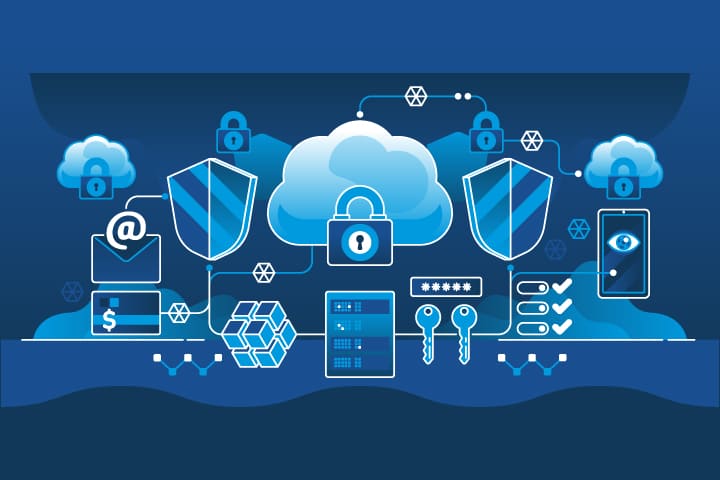
Applying encryption, secure storage protocols, and data governance policies to safeguard sensitive information. - Network Security Optimization
Enhancing firewall configurations, segmentation strategies, and intrusion detection systems to limit attack pathways. - Security Awareness Programs
Training employees to recognize cyber threats, phishing attempts, and risky digital behavior that could compromise systems.
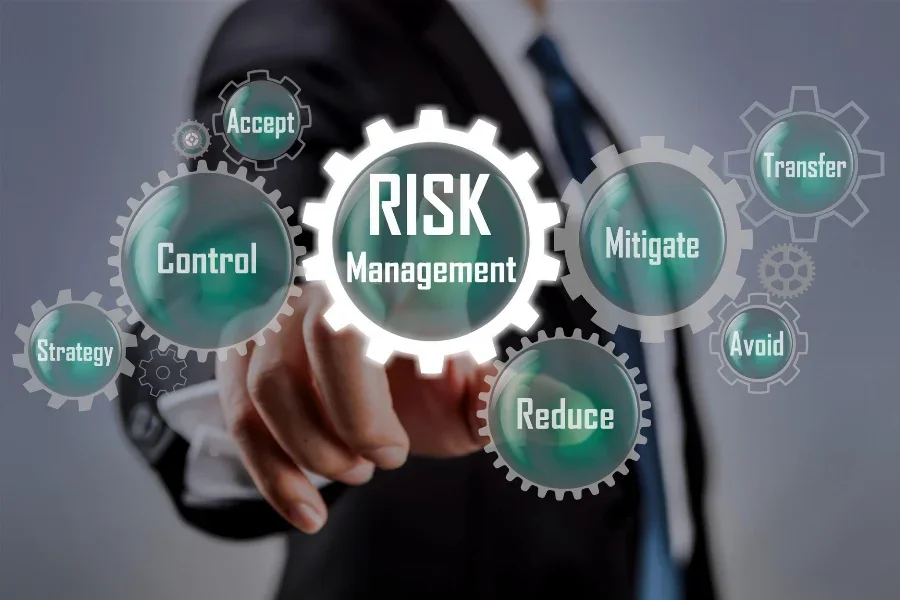
Identifying risks is only the first step. Our Risk Mitigation Strategies focus on implementing practical, measurable controls that reduce or eliminate identified vulnerabilities.
Our tailored mitigation plans include:
- Strengthening access controls and identity management
- Implementing encryption and data protection policies
- Network segmentation and firewall optimization
- Security awareness training for employees
- Multi-layered endpoint protection
Each mitigation strategy is aligned with your business objectives, ensuring security improvements do not disrupt operational efficiency. We balance risk reduction with cost-effectiveness and scalability.
We also help organizations implement governance frameworks and security best practices through a structured approach that reduces exposure to cyber threats while enhancing overall resilience.

Security Control Implementation
Once risks are identified, the next step is putting the right controls in place to reduce them. We help implement both technical and administrative controls that directly address vulnerabilities within your systems. This may include access restrictions, system hardening, or updated security policies that guide everyday operations. Our focus is on applying controls that are practical and effective without creating unnecessary complexity. By aligning these controls with your existing infrastructure, we ensure they work seamlessly within your environment. This structured implementation helps reduce exposure to threats while giving your organization a stronger and more stable security foundation.
Endpoint Security Enhancement
Every device connected to your network—whether it’s a desktop, laptop, or mobile device—can serve as an entry point for potential threats. Our endpoint security enhancement focuses on strengthening protection across all user devices to reduce this risk. We evaluate current protections, identify gaps, and implement solutions that safeguard endpoints from malware, unauthorized access, and other common threats. This includes improving device-level security settings and ensuring consistent protection across your organization. By securing endpoints, you create an additional layer of defense that helps prevent threats from spreading across your network.
Patch & Update Management
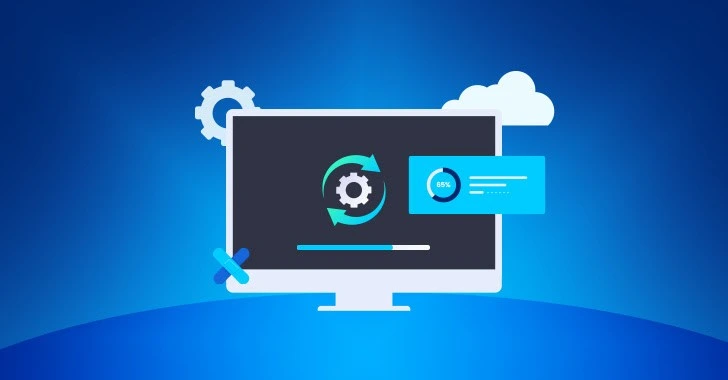
Outdated systems are one of the most common causes of security breaches. We help establish a structured patch and update management process to ensure that all systems, applications, and software remain current. This includes identifying missing updates, prioritizing critical patches, and implementing them in a way that minimizes disruption to your operations. Regular updates close known vulnerabilities that attackers often target, making your systems significantly more secure. By maintaining a consistent update schedule, your organization reduces risk while ensuring that technology continues to perform reliably and efficiently.
Multi-Factor Authentication (MFA) Integration
Passwords alone are no longer enough to protect sensitive systems. Multi-factor authentication adds an extra layer of security by requiring users to verify their identity through additional methods, such as a code or mobile approval. We help integrate MFA into your critical systems to significantly reduce the risk of unauthorized access. This approach ensures that even if login credentials are compromised, access is still restricted. Our goal is to implement MFA in a way that enhances security without making it difficult for users to perform their daily tasks, maintaining both protection and usability.


Data Backup & Recovery Planning
Mitigation is not just about preventing risks—it’s also about being prepared when something goes wrong. We help design and implement secure data backup and recovery processes that ensure your information can be restored quickly if needed. This includes setting up automated backups, secure storage solutions, and clear recovery procedures. By having reliable backups in place, your organization can minimize downtime and avoid major disruptions in the event of data loss or system failure. This added layer of preparation provides peace of mind and supports business continuity.
Insider Threat Reduction
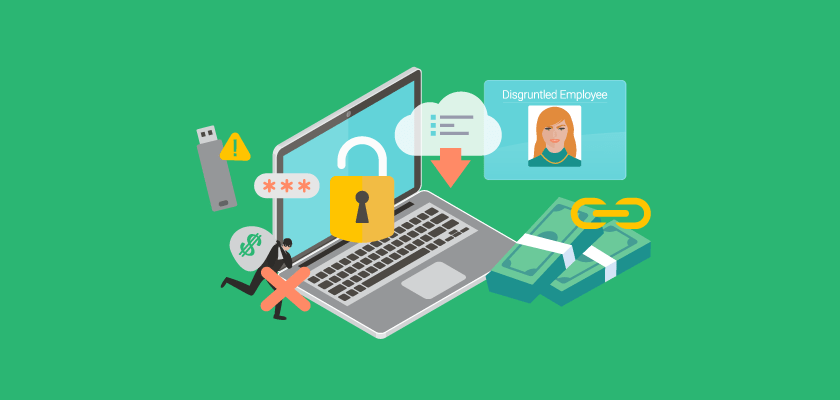
Not all security risks come from external sources. Employees, contractors, or partners can unintentionally—or intentionally—create vulnerabilities within your organization. We help reduce insider risks by implementing proper access controls, monitoring user activity, and establishing clear usage policies. This ensures that individuals only have access to the information they truly need. By increasing visibility and accountability, organizations can prevent misuse while maintaining a positive and productive work environment. Addressing insider risks is a key part of building a well-rounded mitigation strategy.

Secure Configuration Management
Many systems are deployed with default settings that are not designed for security. We review and optimize configurations across your infrastructure to ensure that systems are set up securely from the start. This includes disabling unnecessary features, strengthening access settings, and aligning configurations with industry best practices. Proper configuration management reduces the chances of vulnerabilities being exploited and ensures that systems operate in a secure and controlled manner. This proactive step helps eliminate risks before they become real issues.
Risk Reduction Roadmap
Improving security doesn’t have to happen all at once. We create a clear, phased roadmap that outlines how risks can be reduced over time. This allows your organization to implement changes in a manageable way without overwhelming your team or disrupting operations. Each phase is prioritized based on risk level and business impact, ensuring that the most critical improvements are addressed first. This structured approach makes it easier to track progress and maintain momentum while steadily strengthening your security posture.


Continuous Improvement Approach
Risk mitigation is an ongoing process, not a one-time effort. As new threats emerge and your organization evolves, strategies need to be updated and refined. We support continuous improvement by regularly reviewing existing controls and identifying areas for enhancement. This ensures that your mitigation efforts remain effective over time. By adopting a continuous approach, your organization can stay ahead of changing risks and maintain a strong, adaptable security framework.
Performance vs Security Balance
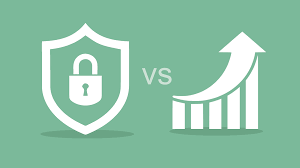
Strong security should not come at the cost of productivity. We focus on implementing mitigation strategies that protect your systems while allowing your business to operate efficiently. This means carefully selecting solutions that integrate smoothly with your workflows and do not create unnecessary delays or complications. By maintaining the right balance, your organization can achieve both security and performance, ensuring that protection measures support—not hinder—your overall business objectives.