Continuous Monitoring
Continuous Monitoring
In a rapidly changing cybersecurity landscape, new vulnerabilities can emerge at any moment as systems evolve and threat actors develop new attack techniques. Continuous monitoring provides organizations with the real-time visibility necessary to detect security weaknesses and suspicious activities as soon as they appear. IntelliSonic Inc. delivers Continuous Monitoring services designed to track the health and security of your entire IT infrastructure around the clock. By constantly analyzing system activity, configuration changes, and emerging threats, organizations gain the ability to detect vulnerabilities early and respond before they escalate into serious incidents.
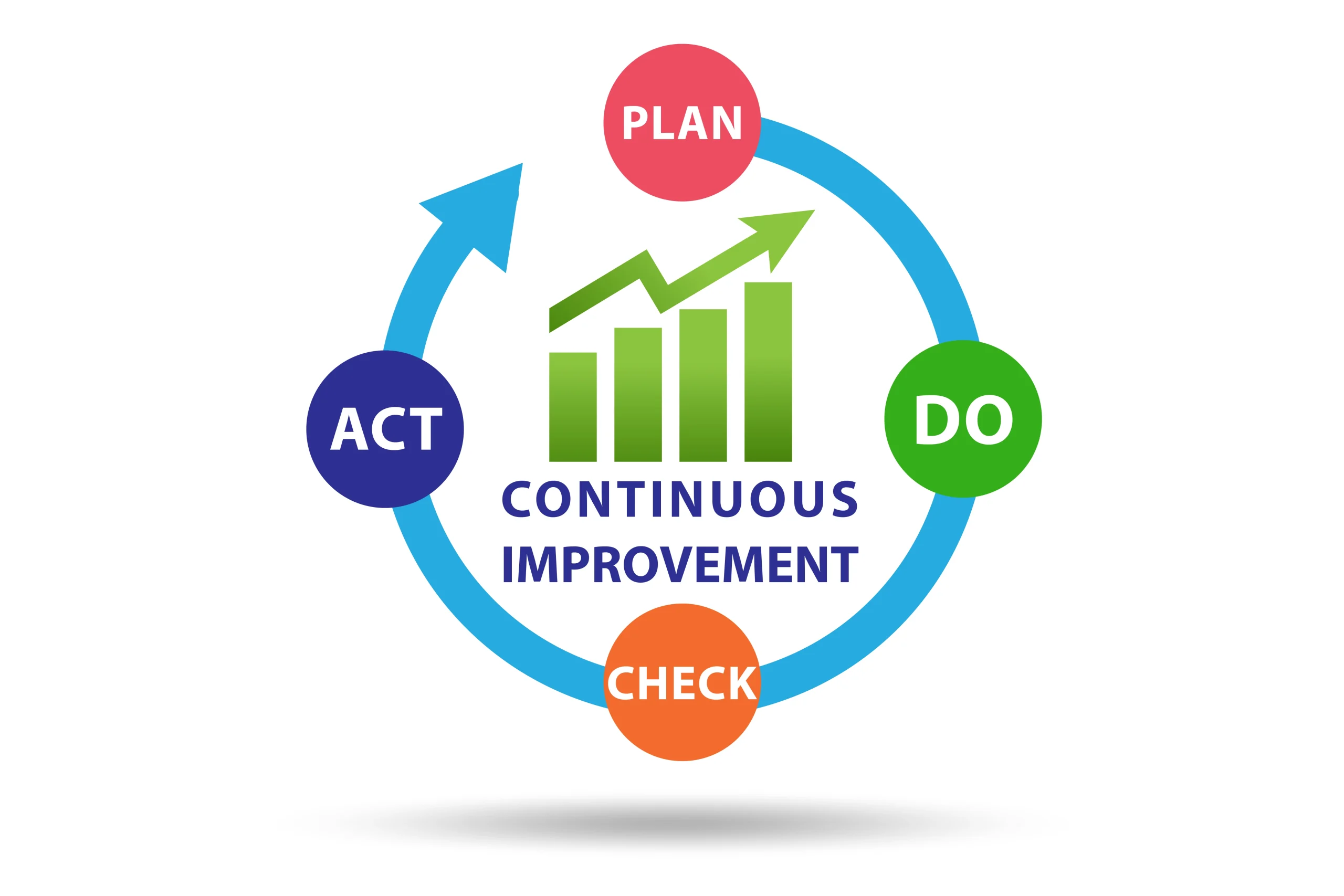
Our monitoring framework combines automated scanning technologies, threat intelligence feeds, and advanced alerting systems to ensure that security teams receive immediate notifications when potential vulnerabilities are discovered. This approach allows organizations to stay ahead of emerging threats rather than reacting after damage has already occurred. IntelliSonic Inc. also verifies system patches, reviews configuration settings, and evaluates security controls on an ongoing basis to ensure that protective measures remain effective. Continuous monitoring strengthens an organization’s overall cybersecurity posture by providing constant oversight of digital infrastructure and ensuring that vulnerabilities are addressed quickly and efficiently.
Automated Vulnerability Scanning
Scanning networks, endpoints, servers, and cloud environments to detect security weaknesses.
Real-Time Security Alerts
Providing immediate notifications when new vulnerabilities or suspicious activities are identified.
Patch and Configuration Verification
Ensuring systems remain properly updated and securely configured.
Threat Intelligence Integration
Leveraging global cybersecurity intelligence to identify emerging risks.
Our Continuous Monitoring service ensures real-time visibility into your IT infrastructure to detect vulnerabilities as they arise. This includes:
- Automated vulnerability scanning across networks, endpoints, servers, and cloud environments
- Real-time alerts for newly discovered security weaknesses
- Ongoing patch verification and configuration checks
- Threat intelligence integration to identify emerging risks

Real-Time Vulnerability Tracking
Continuous monitoring is most effective when vulnerabilities are identified the moment they appear, rather than waiting for scheduled scans or periodic reviews. Our real-time vulnerability tracking focuses on continuously analyzing your systems, applications, and network infrastructure to detect new weaknesses as they emerge. This approach ensures that your organization is not operating with hidden risks that could be exploited at any time. By leveraging automated tools alongside expert analysis, we maintain constant awareness of your security posture. Real-time tracking also helps identify changes in system configurations, newly exposed services, or outdated components that may introduce vulnerabilities. Instead of reacting to threats after they have already impacted your operations, your team gains the ability to respond immediately. This significantly reduces the window of opportunity for attackers and strengthens your overall defense strategy. Over time, this continuous visibility allows organizations to build a more resilient and proactive security environment.
Automated Scanning & Detection
Modern IT environments are constantly changing, making manual vulnerability checks both time-consuming and unreliable. Our automated scanning and detection processes ensure that your systems are assessed regularly without placing additional burden on your internal teams. These tools are configured to scan networks, applications, and endpoints for known vulnerabilities, misconfigurations, and outdated software components. Automation allows for consistent and frequent assessments, ensuring that no part of your infrastructure is overlooked. However, automation alone is not enough—we combine it with expert validation to reduce false positives and focus on real risks. This balanced approach ensures that your organization receives accurate, actionable insights instead of overwhelming reports. Automated detection also helps maintain consistency in your security processes, making it easier to track improvements over time. By integrating automation into your monitoring strategy, you create a reliable system that continuously protects your environment without disrupting daily operations.

Asset-Based Monitoring Approach
Not all systems within an organization carry the same level of importance, which is why a one-size-fits-all monitoring strategy often falls short. Our asset-based monitoring approach focuses on identifying and prioritizing critical systems, sensitive data environments, and high-risk areas within your infrastructure. By categorizing assets based on their value and exposure, we ensure that the most important components receive the highest level of attention. This allows your organization to focus resources where they matter most, rather than spreading efforts too thin across less critical systems. For example, externally exposed applications and databases containing sensitive information are monitored more closely than internal systems with limited access. This targeted strategy improves efficiency while strengthening overall security. It also ensures that vulnerabilities affecting critical assets are identified and addressed quickly, reducing potential business impact. By aligning monitoring efforts with business priorities, organizations can maintain stronger control over their security posture.
Continuous Threat Visibility
Maintaining a clear and ongoing view of your security environment is essential for effective vulnerability management. Continuous threat visibility provides insights into system behavior, potential risks, and emerging vulnerabilities across your infrastructure. Instead of relying on isolated snapshots, this approach offers a dynamic and constantly updated understanding of your security posture. By monitoring system activity, network traffic, and configuration changes, we help identify patterns that may indicate potential threats. This level of visibility allows your team to detect unusual behavior early and take action before issues escalate. It also supports better decision-making by providing accurate, real-time information about where risks exist. Over time, continuous visibility helps organizations identify recurring issues and improve their overall security strategy. With a clearer understanding of your environment, your team can respond more effectively and maintain stronger protection against evolving threats.

Integration with Security Tools
Continuous monitoring becomes significantly more effective when it is integrated with your existing security infrastructure. We connect monitoring systems with tools such as firewalls, endpoint protection platforms, intrusion detection systems, and log management solutions. This integration creates a unified security environment where data is shared and analyzed collectively, providing a more complete picture of your organization’s risk landscape. By combining insights from multiple sources, we improve detection accuracy and reduce the chances of missing critical vulnerabilities. Integration also allows for automated responses in certain scenarios, such as blocking suspicious activity or isolating affected systems. This coordinated approach not only strengthens your defense but also simplifies management by centralizing information. Instead of dealing with disconnected tools, your team gains a streamlined system that enhances both efficiency and effectiveness in managing vulnerabilities.
Alert Management & Response
A monitoring system is only as effective as its ability to deliver meaningful alerts. Too many notifications can overwhelm teams, while too few can result in missed threats. Our alert management approach focuses on delivering relevant, prioritized notifications that help your team respond quickly and effectively. We categorize alerts based on severity and potential impact, ensuring that critical issues are addressed immediately. This reduces noise and allows your team to focus on what truly matters. In addition, we establish clear response workflows so that alerts lead to timely action rather than confusion. Proper alert management improves overall response time and reduces the risk of vulnerabilities being overlooked. By ensuring that the right information reaches the right people at the right time, organizations can maintain a more controlled and efficient security process.


Adaptive Monitoring Strategy
Security is not static, and monitoring strategies must evolve alongside your business and the threat landscape. Our adaptive monitoring approach continuously adjusts based on changes in your infrastructure, emerging vulnerabilities, and new attack methods. As your organization adopts new technologies, expands operations, or integrates additional systems, monitoring requirements also change. We ensure that your monitoring strategy reflects these updates, maintaining effectiveness over time. This flexibility allows your organization to stay ahead of potential risks rather than relying on outdated processes. By continuously refining monitoring practices, we help maintain a strong and relevant security posture that supports long-term growth and stability.
Long-Term Security Visibility
Continuous monitoring provides more than immediate protection—it also offers valuable long-term insights into your security environment. By tracking vulnerabilities over time, organizations can identify patterns, recurring issues, and areas that require improvement. This historical perspective supports better planning and helps prioritize future security investments. It also allows teams to measure progress and evaluate the effectiveness of implemented controls. Over time, this data becomes a valuable resource for improving overall security strategy. With long-term visibility, organizations can move beyond reactive measures and build a proactive approach that continuously strengthens their defenses.