Our help desk service provides ongoing operational support to ensure that day-to-day IT requests and issues are handled smoothly. This includes:
Fast Resolution
Prioritize rapid restoration of services to minimize business impact.
Communication & Updates
Clear, consistent updates with users during resolution.
Training & Guidance
Our help desk doesn’t just fix issues; it educates users on best practices to reduce repeat requests.
Why Us?
24/7 Support Access
Professional assistance for technical problems, ensuring issues are handled anytime they occur.
Remote & On-Site Troubleshooting
Team provides both remote assistance and, where necessary, dispatches technicians for on-premises support.
Ticketing & Knowledge Management
All issues are tracked, documented, and analysed to improve response times and create a growing repository of solutions.
Structured IT Service Management
Our help desk follows IT Service Management principles, ensuring structured and accountable support.
Incident & Problem Management
We categorize issues by:
Severity
Business impact
Urgency
With defined SLA targets and escalation frameworks.
Change Management
We ensure that system updates and changes are:
Documented
Approved
Tested
Rolled out with minimal disruption
End-User Support Services
We provide assistance for:
Hardware issues
Software troubleshooting
Access management
Remote workforce support
Collaboration platform issues
Reporting & Continuous Improvement
We provide:
Monthly service reports
SLA compliance tracking
Ticket trend analysis
Preventative recommendations
24/7 ENTERPRISE HELP DESK FOR CONTINUOUS OPERATIONAL EXCELLENCE
A reliable help desk is essential for maintaining uninterrupted business operations in today’s fast-paced digital environment. Organizations depend on technology at every level, and even minor disruptions can impact productivity, customer experience, and overall performance. A 24/7 enterprise help desk ensures that IT issues are addressed promptly, regardless of time or location. This continuous support model allows businesses to operate with confidence, knowing that technical challenges will be resolved quickly and efficiently without causing prolonged downtime.
Beyond resolving issues, an effective help desk also focuses on improving the overall user experience. Clear communication and consistent updates keep users informed throughout the resolution process, reducing uncertainty and frustration. Additionally, support teams provide guidance and best practices that help users avoid recurring issues and improve their interaction with technology. This proactive approach not only enhances efficiency but also reduces the volume of support requests over time, creating a more stable and productive work environment.
STRUCTURED IT SERVICE MANAGEMENT FOR ACCOUNTABLE AND EFFICIENT SUPPORT
Structured IT Service Management (ITSM) provides the foundation for delivering consistent, high-quality support across the organization. By following established frameworks and best practices, help desk operations are organized, measurable, and aligned with business priorities. This structured approach ensures that every request, incident, and change is handled with accountability and transparency. It also allows organizations to maintain clear processes for tracking, managing, and resolving issues in a systematic and predictable manner.
Within this framework, incident and problem management play a critical role in maintaining service reliability. Issues are categorized based on severity, business impact, and urgency, ensuring that the most critical problems receive immediate attention. Defined Service Level Agreements (SLAs) and escalation procedures further ensure that response and resolution times meet organizational expectations. This level of structure not only improves efficiency but also builds trust, as users can rely on consistent and timely support for their technical needs.
CONTROLLED CHANGE MANAGEMENT AND RELIABLE END-USER SUPPORT
Managing change effectively is essential for maintaining system stability while enabling continuous improvement. Every update, upgrade, or configuration change carries potential risks if not handled properly. A structured change management process ensures that all modifications are carefully documented, reviewed, approved, and tested before implementation. This reduces the likelihood of unexpected disruptions and ensures that changes are introduced in a controlled and predictable manner, minimizing impact on business operations.
At the same time, comprehensive end-user support ensures that employees can work efficiently without being hindered by technical issues. Support services cover a wide range of needs, including hardware troubleshooting, software support, access management, and assistance for remote or hybrid work environments. Collaboration platforms and communication tools are also supported to ensure seamless interaction across teams. By providing reliable and accessible support, organizations empower their workforce to remain productive and focused on their core responsibilities.
DATA-DRIVEN REPORTING AND CONTINUOUS SERVICE IMPROVEMENT
Effective IT support goes beyond resolving individual issues—it requires ongoing evaluation and improvement of service performance. Data-driven reporting provides valuable insights into how the help desk operates, including metrics such as response times, resolution rates, SLA compliance, and ticket trends. Monthly service reports offer a clear view of performance, enabling organizations to assess the effectiveness of their support operations and identify areas for improvement.
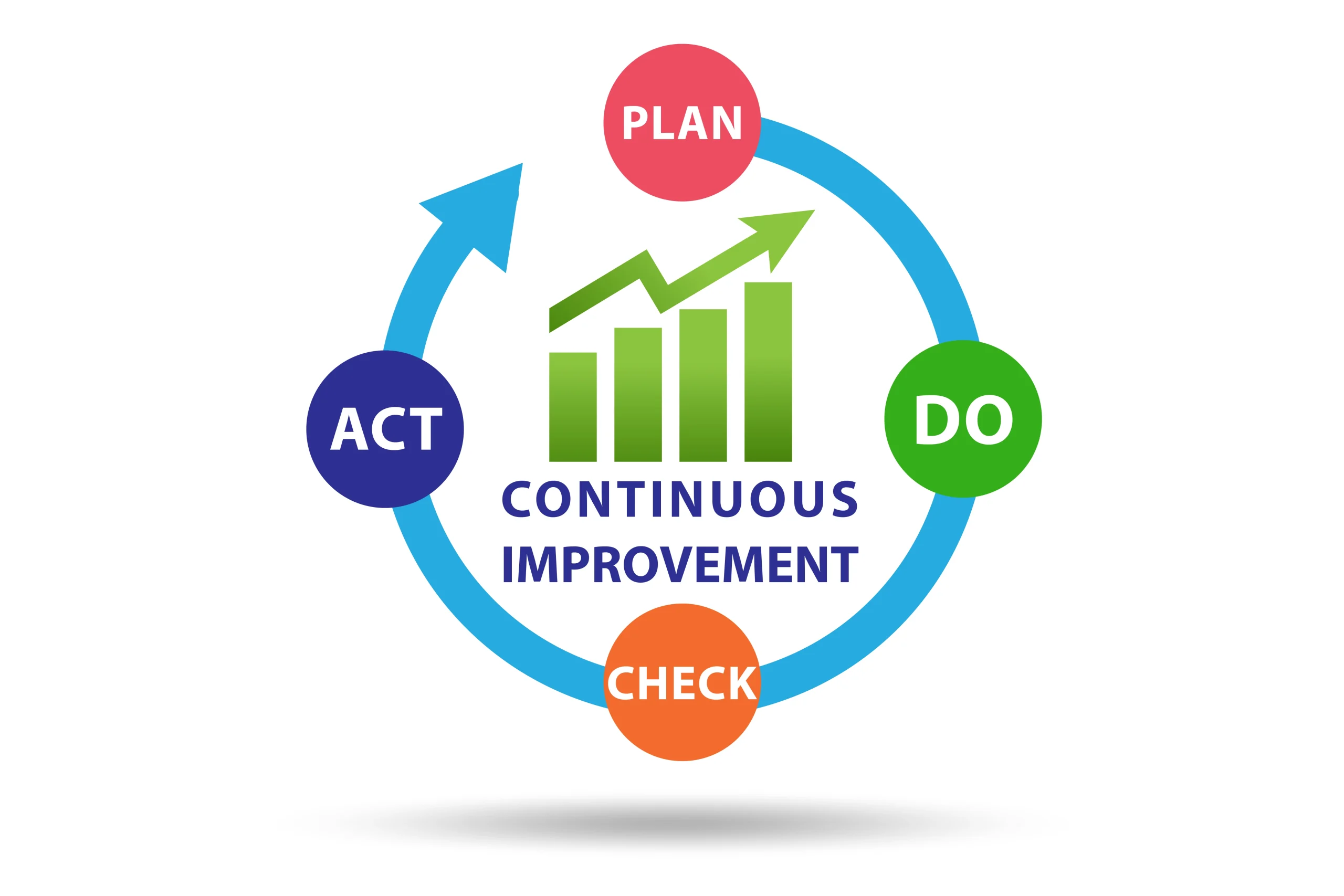
Continuous improvement is driven by analyzing patterns and identifying recurring issues that may indicate underlying problems. Preventative recommendations help address root causes, reducing the likelihood of repeated incidents and improving overall system stability. This proactive approach ensures that support services evolve alongside business needs, delivering increasing value over time. By combining detailed reporting with actionable insights, organizations can enhance efficiency, optimize resources, and maintain a high standard of IT support that aligns with their strategic objectives.