
Comprehensive Infrastructure
End-to-End IT Infrastructure Management Services
Comprehensive Infrastructure focuses on building and managing an organization’s entire IT backbone, including servers, networks, and cloud platforms. Our professional approach makes your IT ecosystem robust, scalable, and ready for future expansion, letting the infrastructure grow with the business.

IntelliSonic offers end-to-end support across key infrastructure components such as:
Network Architecture & Connectivity
We design and manage optimized enterprise networks with high availability, redundancy, and performance tuning.
Server & Storage Solutions
Organize and administer physical, virtual, and containerized servers; ensure data storage platforms are consolidated, resilient, and scalable.
Hybrid & Multi-Cloud Integration
Blend on-premises systems with public cloud resources to minimize workloads, improve flexibility, and control costs.
Virtualization & Resource Optimization
Abstract computing resources so applications can efficiently scale without service interruptions.
Infrastructure Monitoring & Management
We use automated tools and dashboards to continuously monitor performance, resource utilization, fault alerts, and capacity planning.

Building the Foundation of Enterprise Operations
Your infrastructure determines your operational ceiling. Weak infrastructure limits growth. Poor architecture creates risk.
IntelliSonic designs, manages, and optimizes enterprise-grade infrastructure that is:
- High-performance
- Redundant
- Secure
- Scalable
- Continuously monitored
Network Engineering & Enterprise Connectivity
We provide:
- LAN/WAN design
- SD-WAN architecture
- VPN implementation
- Zero-trust network segmentation
- High-availability routing
- Load balancing
Ensuring seamless internal and remote connectivity.

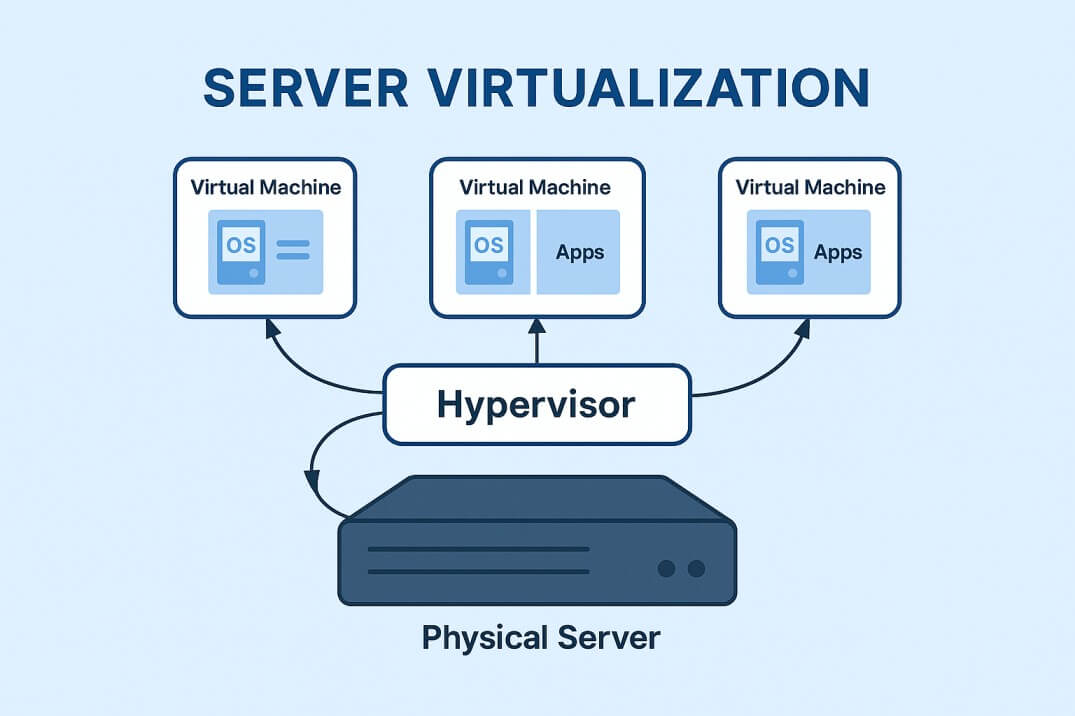
Server & Virtualization Management
We manage:
- Hypervisor environments
- Virtual machine optimization
- Container orchestration
- Storage clustering
- Redundant backup systems
With lifecycle management for hardware and software upgrades.
Hybrid & Multi-Cloud Integration
Modern infrastructure blends:
- On-prem servers
- Public cloud services
- Private cloud environments
- SaaS ecosystems
We ensure seamless integration with unified monitoring and governance.


Infrastructure Monitoring & Predictive Analytics
We deploy:
- Real-time performance dashboards
- Capacity forecasting tools
- Automated alert systems
- Resource utilization tracking
Preventing downtime before it occurs.
BUILDING A RESILIENT IT FOUNDATION FOR SCALABLE BUSINESS OPERATIONS
End-to-end IT infrastructure management forms the backbone of modern enterprise operations, directly influencing performance, reliability, and growth potential. Infrastructure is no longer just a technical requirement—it is a strategic asset that determines how efficiently an organization can operate and scale. A poorly designed infrastructure can create bottlenecks, increase downtime, and introduce security vulnerabilities that limit business potential. In contrast, a well-architected environment provides stability, flexibility, and the ability to support evolving business demands without disruption.
A comprehensive infrastructure approach ensures that every component—servers, networks, storage, and cloud systems—works seamlessly together as a unified ecosystem. By focusing on performance, redundancy, security, and scalability, organizations can build a foundation that supports both current operations and future expansion. Continuous monitoring and optimization further ensure that the infrastructure adapts to changing workloads and business requirements. This results in a resilient environment where technology enables growth rather than limiting it, allowing businesses to operate with confidence and agility.

ADVANCED NETWORK ENGINEERING FOR SECURE AND SEAMLESS CONNECTIVITY
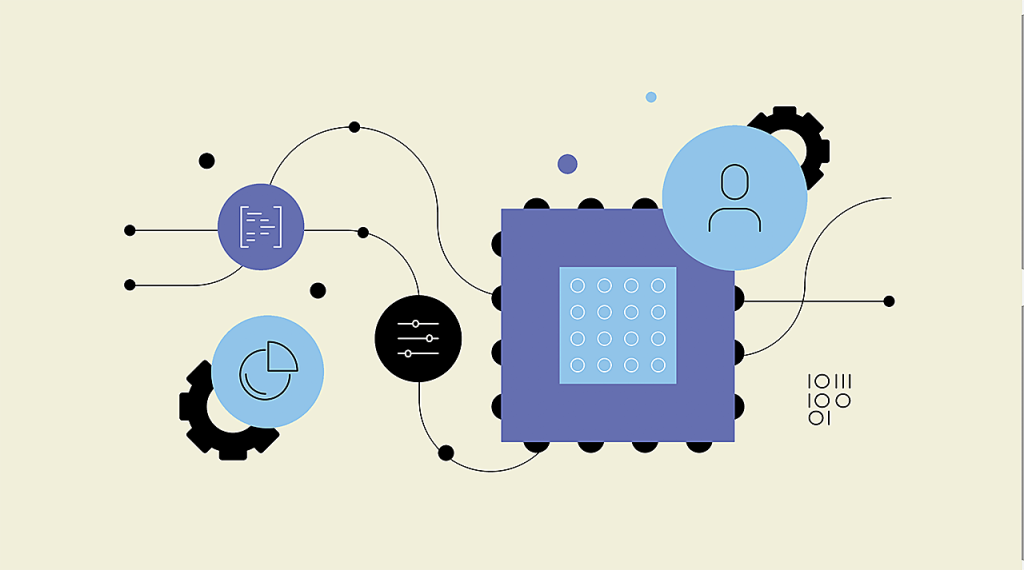
Reliable and secure connectivity is essential for maintaining efficient operations across distributed environments. Advanced network engineering ensures that communication between systems, users, and locations remains fast, stable, and protected. From designing robust LAN and WAN architectures to implementing SD-WAN solutions, modern networks are built to handle increasing data demands while maintaining high performance. Features such as load balancing and high-availability routing ensure uninterrupted connectivity, even during peak usage or unexpected disruptions.
Security is deeply integrated into network design through measures such as VPN implementation and zero-trust segmentation. These strategies ensure that access is tightly controlled and that sensitive data remains protected across both internal and external connections. As organizations adopt remote work models and expand their digital footprint, the need for secure and seamless connectivity becomes even more critical. A well-engineered network not only supports day-to-day operations but also provides the flexibility and security required to scale and adapt in a rapidly changing environment.
OPTIMIZED SERVER, VIRTUALIZATION, AND CLOUD ECOSYSTEM MANAGEMENT
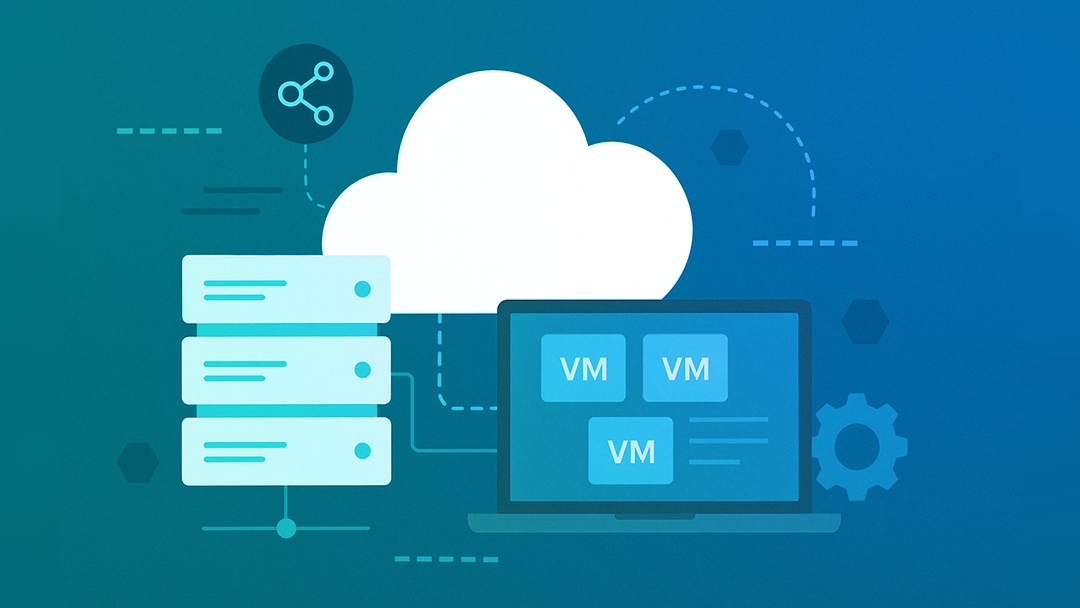
Efficient management of servers and virtualization environments is key to maximizing performance and resource utilization. Modern infrastructure relies heavily on virtualization technologies to create flexible, scalable environments that can adapt to changing workloads. Managing hypervisors, optimizing virtual machines, orchestrating containers, and maintaining storage clusters are essential for ensuring that systems operate at peak efficiency. This approach allows organizations to reduce hardware dependency, improve resource allocation, and streamline operations.
In addition to on-premises systems, hybrid and multi-cloud environments have become a critical component of modern infrastructure. Integrating public cloud services, private cloud environments, and SaaS platforms requires careful planning and unified management. A cohesive cloud strategy ensures that data flows seamlessly across environments while maintaining governance, security, and performance standards. Lifecycle management further ensures that both hardware and software remain up to date, reducing the risk of obsolescence and ensuring long-term sustainability of the infrastructure.
INTELLIGENT MONITORING AND PREDICTIVE ANALYTICS FOR PROACTIVE PERFORMANCE
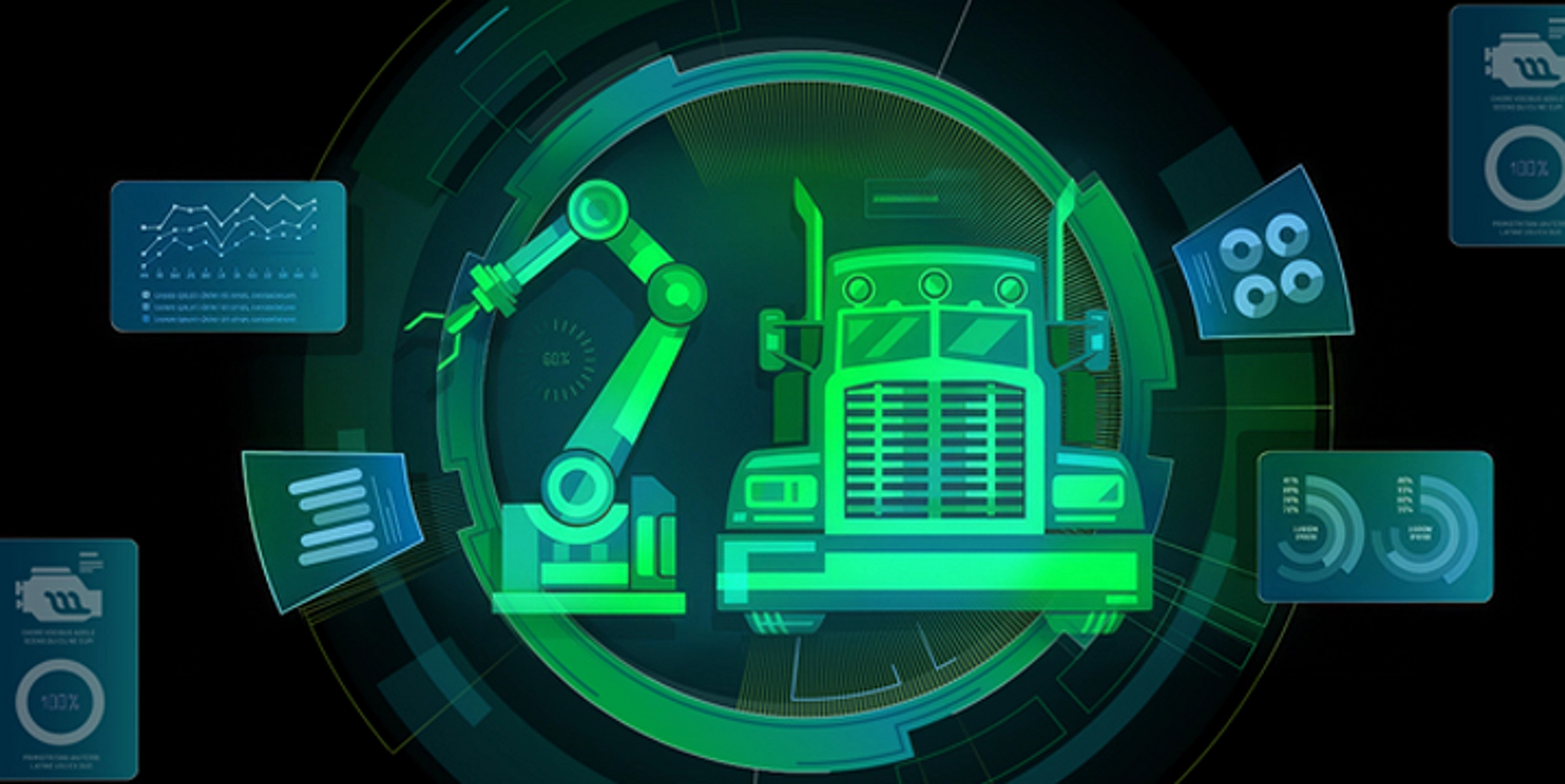
Continuous monitoring and predictive analytics are essential for maintaining a high-performing and reliable infrastructure. Real-time performance dashboards provide visibility into system health, resource utilization, and network activity, allowing teams to quickly identify and address potential issues. Automated alert systems ensure that anomalies are detected immediately, enabling rapid response before they impact operations. This level of visibility transforms infrastructure management from a reactive process into a proactive strategy focused on prevention and optimization.
Predictive analytics takes this capability further by analyzing historical data and usage patterns to forecast future needs and potential risks. Capacity planning tools help organizations anticipate growth and allocate resources effectively, while trend analysis identifies areas for improvement. By addressing issues before they escalate into failures, businesses can minimize downtime, maintain operational continuity, and deliver a consistent experience to users. This intelligent approach ensures that infrastructure remains reliable, efficient, and aligned with the organization’s long-term goals.