
Risk Assessment

Risk Assessment
Risk Assessment serve as the backbone of a secure, stable, and resilient organization in today’s digitally connected environment. At IntelliSonic Inc., our Risk Assessment services are designed to help organizations identify potential vulnerabilities, manage operational risks, and ensure alignment with regulatory requirements across multiple industries. Businesses today operate in complex digital ecosystems where sensitive data, cloud systems, and connected devices continuously interact. This interconnected environment creates multiple points of exposure where cyber threats, operational disruptions, and regulatory violations can occur if proper safeguards are not implemented. Our services focus on building a structured framework that helps organizations proactively identify risks, assess their potential impact, and implement strategies that reduce exposure to both cyber threats and compliance violations.
Through a comprehensive approach that integrates governance frameworks, cybersecurity best practices, and continuous monitoring technologies, IntelliSonic Inc. helps organizations strengthen their overall security posture while maintaining operational efficiency. Our solutions combine strategic planning, technology integration, and policy development to ensure that security and compliance initiatives support long-term business objectives. Rather than treating compliance and risk Assessment as isolated functions, we embed them into everyday business operations so that organizations can grow confidently while maintaining strong protection over their critical systems and data. By building resilient infrastructures and well-documented governance practices, businesses gain the ability to operate securely, meet regulatory obligations, and maintain the trust of customers, partners, and stakeholders.
- Risk Assessment and Identification
Comprehensive evaluation of potential threats, vulnerabilities, and operational risks across digital and organizational environments. - Regulatory Alignment
Ensuring compliance with industry regulations, legal requirements, and recognized cybersecurity frameworks. - Governance Framework Integration
Implementation of structured security policies and governance processes that guide responsible risk management practices. - Operational Resilience Planning
Developing strategies that allow organizations to continue operating effectively even during disruptions or cyber incidents.


Effective security begins with a deep understanding of potential vulnerabilities. Our Risk Assessment service provides a comprehensive evaluation of your IT infrastructure, applications, networks, and operational processes to identify weaknesses before they can be exploited.
We conduct:
- Infrastructure vulnerability assessments
- Network security evaluations
- Application security testing
- Third-party risk analysis
- Data protection reviews
Through a structured risk assessment framework, we analyze threat likelihood, potential business impact, and exposure levels. Each identified risk is prioritized based on severity and operational impact, enabling leadership teams to make informed decisions.
This proactive assessment strengthens your organization’s security while reducing the likelihood of costly disruptions.
Business Impact Analysis
Understanding risk is not just about identifying technical issues—it’s about knowing how those risks affect your business as a whole. Our Business Impact Analysis focuses on evaluating how potential threats could disrupt your daily operations, financial stability, customer relationships, and overall reputation. We take a close look at critical processes and identify which areas are most vulnerable to downtime or failure. By connecting risks directly to business outcomes, leadership teams gain a clearer picture of what truly needs attention. This allows organizations to prioritize resources effectively and focus on protecting the most important parts of their operations, ensuring long-term stability and resilience even in challenging situations.


Asset Identification & Classification
Before you can protect your organization, you need a clear understanding of what you are protecting. Our asset identification and classification process helps you map out all critical components within your environment, including systems, applications, data, and infrastructure. We then categorize these assets based on their importance and sensitivity, ensuring that high-value assets receive the highest level of protection. This structured approach makes it easier to allocate resources efficiently and avoid unnecessary spending on lower-priority areas. It also provides a strong foundation for building targeted security strategies that align with your business goals while maintaining proper protection across all critical assets.
Threat Intelligence Integration
Risk assessments become far more effective when they are informed by real-world data. We incorporate current threat intelligence into our assessment process to ensure your organization is prepared for the types of risks that are actively impacting your industry. This includes analyzing emerging attack patterns, known vulnerabilities, and evolving cybercriminal tactics. By combining internal system analysis with external threat insights, we provide a more complete and realistic view of your risk landscape. This approach allows your organization to stay ahead of potential threats rather than reacting after the fact, helping you build stronger defenses that are aligned with today’s cybersecurity challenges.

Risk Scoring & Prioritization
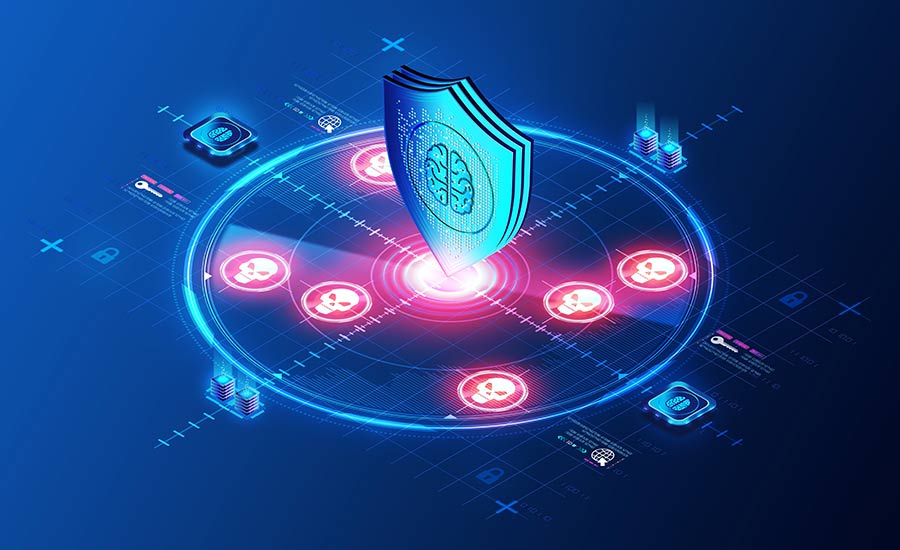
Not every risk carries the same level of urgency, and treating them equally can lead to wasted time and resources. Our risk scoring and prioritization process assigns clear values to each identified risk based on its likelihood and potential impact on your organization. This structured ranking system allows decision-makers to focus on what matters most instead of getting overwhelmed by a long list of issues. By clearly identifying high-risk areas, your team can take targeted action where it will have the greatest effect. This not only improves overall security but also ensures that your mitigation efforts are both practical and efficient.
Third-Party Vendor Risk Evaluation
Many organizations rely on third-party vendors for essential services, but these relationships can introduce additional risks if not properly managed. We assess the security posture of your vendors and partners to identify any potential vulnerabilities that could impact your organization. This includes reviewing access controls, data handling practices, and compliance standards. By evaluating third-party risks, you gain better visibility into how external systems interact with your environment. This helps reduce the chances of indirect security incidents and ensures that your entire ecosystem—not just your internal systems—meets your security and compliance expectations.

Cloud Risk Assessment
As more businesses move their operations to the cloud, new types of risks begin to emerge. Our cloud risk assessment focuses on identifying misconfigurations, insecure access points, and data exposure issues within cloud environments. We review how your cloud systems are set up, who has access, and how data is being stored and transferred. This helps uncover gaps that may not be visible in traditional assessments. By addressing these risks early, your organization can take full advantage of cloud flexibility while maintaining strong security controls. The goal is to ensure your cloud infrastructure remains both efficient and well-protected.
Compliance Risk Mapping
Compliance requirements can sometimes feel disconnected from day-to-day operations, but they play a critical role in risk management. We map identified risks directly to relevant regulatory requirements, helping you understand where potential gaps could lead to compliance issues. This approach provides clarity on how security risks and compliance obligations overlap, making it easier to address both at the same time. Instead of treating compliance as a separate task, it becomes part of your overall risk strategy. This not only reduces the likelihood of penalties but also strengthens your organization’s credibility with clients and regulatory bodies.

Reporting & Executive Insights
Clear communication is essential when it comes to risk management. Our reporting is designed to provide meaningful insights without overwhelming your team with technical jargon. We present findings in a structured and easy-to-understand format, highlighting key risks, their potential impact, and recommended actions. This allows both technical teams and leadership to stay aligned and make informed decisions. By focusing on clarity and relevance, our reports help organizations move from analysis to action more efficiently, ensuring that identified risks are properly addressed and not left unresolved.
Periodic Risk Reviews
Risk is not static—it changes as your business grows and technology evolves. That’s why regular risk reviews are an important part of maintaining a strong security posture. We support ongoing assessments to ensure that new systems, processes, and external factors are continuously evaluated. This helps identify emerging risks before they become serious problems. Regular reviews also ensure that previously implemented controls are still effective and aligned with your current environment. By maintaining a consistent review process, your organization can stay prepared and adapt to changes without compromising security.


Actionable Recommendations
Identifying risks is only valuable if you know how to address them. We provide clear, practical recommendations that your team can realistically implement without unnecessary complexity. Each recommendation is tailored to your organization’s structure, resources, and priorities. Instead of generic advice, we focus on steps that deliver real improvements in security and risk reduction. This approach helps your team take immediate action while also building a long-term strategy for continuous improvement. The result is a more confident, well-prepared organization that can manage risks effectively as it grows.