Our Comprehensive Cybersecurity service delivers a multi-layered defense strategy designed to safeguard every component of your digital infrastructure. Modern organizations rely heavily on interconnected systems that include internal networks, cloud platforms, mobile devices, and third-party applications. These complex environments create multiple entry points that cybercriminals may attempt to exploit. IntelliSonic Inc. addresses these challenges by implementing layered security solutions that protect each layer of your digital environment, ensuring threats are detected and mitigated before they can compromise sensitive data or disrupt operations.
This approach includes securing network architecture, strengthening application security, protecting endpoints, and safeguarding cloud environments through advanced cybersecurity technologies and best practices. Our team evaluates the entire digital ecosystem to identify vulnerabilities and deploys security measures that reduce exposure to cyber threats. By implementing comprehensive protection across systems and devices, organizations gain a resilient cybersecurity posture that defends against malware, ransomware, unauthorized access, and data breaches. This integrated security approach ensures that every aspect of the organization’s digital infrastructure contributes to a stronger and more reliable defense strategy.
Security Operations Center (SOC) Integration
A strong cybersecurity strategy requires continuous oversight and coordinated response capabilities. Our Security Operations Center (SOC) integration provides centralized monitoring, threat analysis, and incident response support within your environment. By connecting your systems to a structured SOC framework, we enable real-time visibility into security events and faster decision-making during potential incidents. This approach ensures that alerts are properly analyzed, prioritized, and addressed without delay. It also allows organizations to maintain consistent monitoring without overburdening internal teams. With SOC integration, your cybersecurity operations become more organized, proactive, and capable of handling evolving threats effectively.
Identity & Access Management (IAM)
Controlling who has access to your systems is one of the most important aspects of cybersecurity. Our Identity and Access Management solutions focus on ensuring that only authorized users can access sensitive data and critical systems. We implement role-based access controls, enforce strong authentication methods, and regularly review access privileges to prevent misuse. This structured approach reduces the risk of unauthorized access and limits potential damage if credentials are compromised. By managing identities effectively, organizations can maintain security while ensuring that employees have the access they need to perform their roles efficiently.
Zero Trust Security Model Implementation
Traditional security models assume that users inside the network can be trusted, but modern threats require a different approach. We implement Zero Trust principles, where every user and device must be verified before gaining access to any system or resource. This includes continuous authentication, strict access controls, and segmentation of systems to minimize exposure. By eliminating implicit trust, organizations can significantly reduce the risk of lateral movement within networks. This model provides a more secure and controlled environment, especially for businesses with remote workforces and cloud-based systems.
Application Security Enhancement
Applications are often a primary target for cyberattacks, especially those exposed to the internet. We strengthen application security by identifying vulnerabilities in code, configurations, and integrations. This includes secure coding practices, regular testing, and implementing protective layers such as web application firewalls. By focusing on application-level security, organizations can prevent common threats like injection attacks, unauthorized access, and data exposure. This ensures that applications remain reliable, secure, and aligned with industry standards.
Email & Phishing Protection
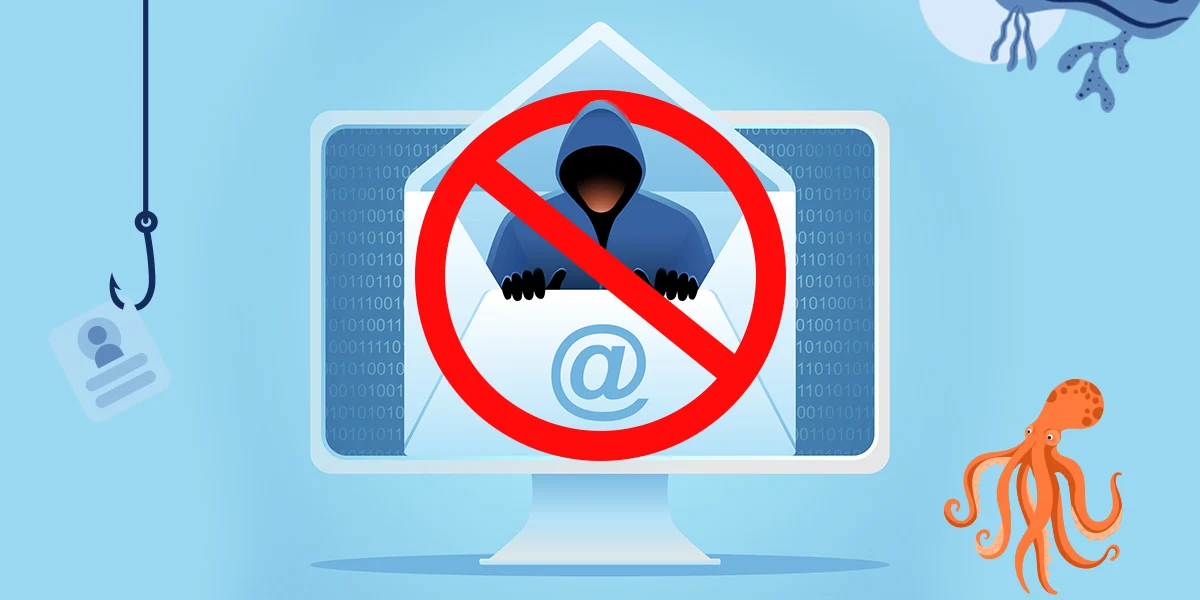
Email remains one of the most common entry points for cyber threats. We implement advanced email security solutions that detect and block phishing attempts, malicious attachments, and suspicious links before they reach users. In addition to technical controls, we help establish best practices that reduce the likelihood of human error. This layered approach ensures that both technology and user awareness work together to prevent email-based attacks. Strengthening email security significantly reduces the risk of credential theft, malware infections, and unauthorized access.
Key Components
Advanced Threat Detection & Prevention
We implement real-time monitoring systems, intrusion detection and prevention tools, endpoint protection platforms, and security information and event management (SIEM) solutions to identify and neutralize threats before they escalate.
Network & Infrastructure Security
Our team designs secure network architectures with firewall configuration, network segmentation, secure VPN access, and zero-trust security principles to prevent unauthorized access.
Endpoint & Device Security
With the rise of remote work and mobile devices, endpoint protection is critical. We deploy antivirus, anti-malware, patch management, and device encryption to ensure every endpoint is secure.
Cloud Security Integration
As businesses move to cloud platforms, we secure cloud workloads, configure access controls, and monitor cloud environments for vulnerabilities and misconfigurations.
Data Protection & Encryption
We protect sensitive data through encryption (both at rest and in transit), data loss prevention (DLP) systems, secure backup strategies, and strong data governance policies.
Vulnerability & Risk Assessments
Regular vulnerability scans, penetration testing, and risk assessments help identify weaknesses before they can be exploited. We prioritize remediation efforts based on risk severity and business impact.
Advanced Threat Detection & Prevention
We implement real-time monitoring systems, intrusion detection and prevention tools, endpoint protection platforms, and security information and event management (SIEM) solutions to identify and neutralize threats before they escalate.
Network & Infrastructure Security
Our team designs secure network architectures with firewall configuration, network segmentation, secure VPN access, and zero-trust security principles to prevent unauthorized access.
Endpoint & Device Security
With the rise of remote work and mobile devices, endpoint protection is critical. We deploy antivirus, anti-malware, patch management, and device encryption to ensure every endpoint is secure.
Cloud Security Integration
As businesses move to cloud platforms, we secure cloud workloads, configure access controls, and monitor cloud environments for vulnerabilities and misconfigurations.
Data Protection & Encryption
We protect sensitive data through encryption (both at rest and in transit), data loss prevention (DLP) systems, secure backup strategies, and strong data governance policies.
Vulnerability & Risk Assessments
Regular vulnerability scans, penetration testing, and risk assessments help identify weaknesses before they can be exploited. We prioritize remediation efforts based on risk severity and business impact.