
Incident Response Planning
Incident Response Planning
Preparation is one of the most effective defenses against cybersecurity incidents. Organizations that develop structured response plans before incidents occur are able to react faster, coordinate teams more effectively, and recover operations more quickly. IntelliSonic Inc. provides Incident Response Planning services that help organizations develop customized frameworks for managing security incidents in a clear and organized manner.

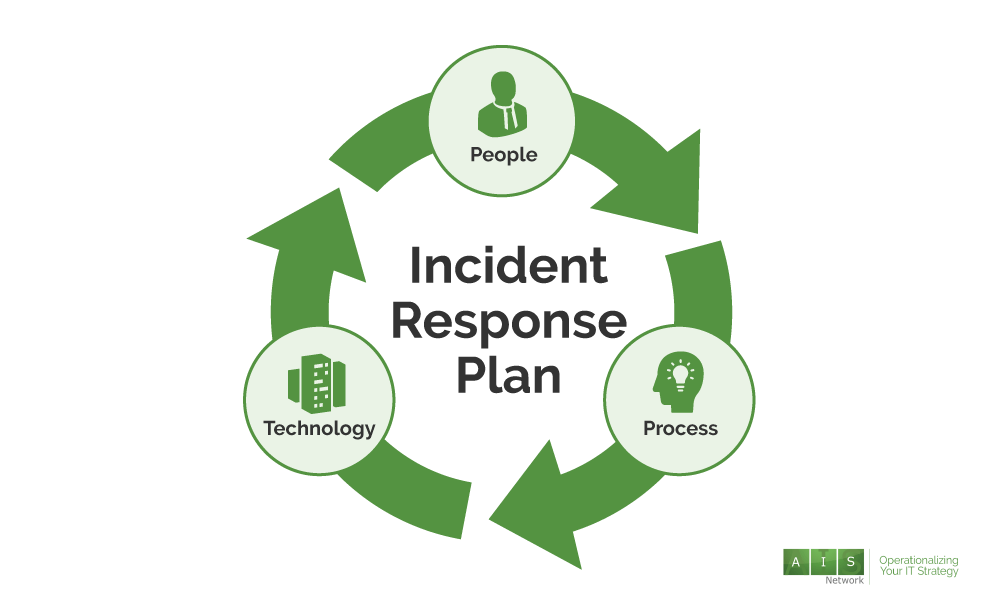
Our planning process includes creating detailed response policies, defining team responsibilities, and establishing communication protocols for internal teams and external stakeholders. Simulation exercises and tabletop scenarios are conducted to test response procedures and ensure that teams are prepared to act under real-world conditions. These exercises help identify gaps in response capabilities and allow organizations to refine their strategies before an actual incident occurs. Regular updates and testing ensure that response plans remain aligned with evolving cybersecurity threats and changing business environments.
Incident Response Policy Development
Creating clear procedures for responding to security incidents.
Role and Responsibility Assignment
Defining responsibilities for response team members.
Communication Protocol Establishment
Ensuring clear communication with stakeholders during incidents.
Simulation and Readiness Testing
Conducting exercises that prepare teams for real-world incidents.
Preparation is the most effective defense against cyber incidents. Our Incident Response Planning service develops structured response frameworks tailored to your organization.
Planning activities include:
- Development of incident response policies and procedures
- Role and responsibility assignment
- Communication protocols for internal and external stakeholders
- Escalation matrices
- Tabletop exercises and simulation testing
We ensure your team knows exactly how to respond when an incident occurs, reducing confusion and accelerating recovery. Regular testing and updates keep the plan aligned with evolving threats and business changes.
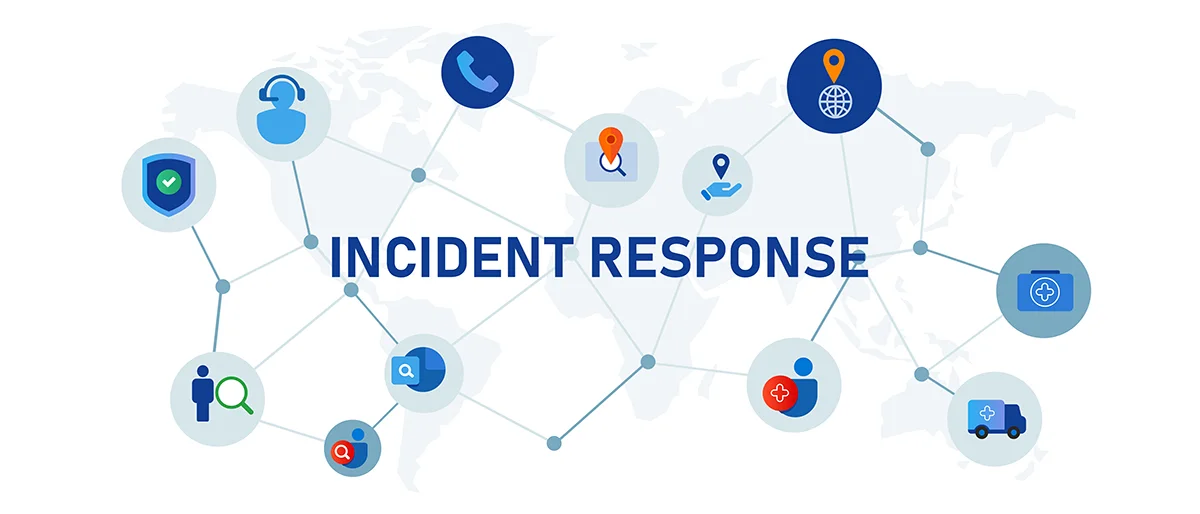
A proactive Incident Response Plan (IRP) ensures organizations are prepared to respond efficiently to cyber incidents. IntelliSonic Inc. develops customized IRPs that define roles, responsibilities, communication protocols, escalation procedures, and technical workflows for detecting, containing, and remediating incidents.
Planning begins with risk assessment and scenario modeling to anticipate potential threats and their impact on critical systems. The IRP incorporates detection mechanisms, containment strategies, forensic procedures, and recovery actions. Clear guidelines for internal and external communication ensure that stakeholders, regulators, and affected parties are informed appropriately.

Regular testing and simulation exercises validate the effectiveness of the plan, enabling teams to practice incident response in controlled environments. The plan is updated continuously to address emerging threats, changes in infrastructure, and lessons learned from previous incidents.
A well-structured IRP reduces response time, minimizes operational impact, and ensures coordinated action during crises. By implementing a detailed and actionable incident response plan, organizations enhance cybersecurity resilience, strengthen compliance readiness, and maintain stakeholder confidence during adverse events.

Risk Assessment and Threat Modeling
Effective response planning starts with identifying potential threats, vulnerabilities, and business-critical assets. IntelliSonic Inc. evaluates risk exposure to design response strategies aligned with organizational priorities.
Defining Roles and Responsibilities
A clear incident response plan assigns responsibilities to IT, security, legal, and communication teams. Role clarity ensures swift decision-making and coordinated actions during incidents.
Communication Protocols
Structured communication guidelines define internal notifications, stakeholder updates, and regulatory reporting procedures. These protocols ensure timely, accurate, and secure information sharing during incidents.
Incident Classification and Escalation
Incidents are categorized based on severity and impact, with escalation procedures defined for critical events. This ensures that the right resources are mobilized quickly to contain and remediate threats.
Detection and Monitoring Integration
Plans include integration with monitoring and detection systems. Automated alerts, SIEM dashboards, and anomaly detection tools allow rapid identification of incidents and trigger predefined response workflows.
Response Playbooks and Procedures
Detailed playbooks outline step-by-step actions for common incident types, including malware outbreaks, data breaches, and insider threats. These guides ensure consistent and effective responses across the organization.
Testing and Simulation Exercises
Regular tabletop exercises and simulated incidents test the effectiveness of the response plan. Teams practice coordination, decision-making, and communication under realistic conditions, enhancing readiness.
Continuous Improvement and Review
Incident response plans are reviewed and updated regularly to reflect emerging threats, lessons learned, and changes in infrastructure. Continuous improvement ensures the organization remains resilient and prepared for future incidents.