
Identity and Access Management (IAM)
Identity and Access Management
Securing Digital Identities and Controlling Access Across the Enterprise
In today’s interconnected digital environment, users, applications, devices, and systems continuously access critical business resources from various locations and platforms. As organizations expand their technology ecosystems through cloud adoption, remote work, mobile devices, and third-party integrations, managing who has access to what information becomes increasingly complex and critical.
Identity and Access Management (IAM) serves as a foundational component of modern cybersecurity by ensuring that only authorized individuals and systems can access sensitive resources. IntelliSonic’s IAM solutions help organizations establish strong identity governance, improve authentication processes, strengthen access controls, and reduce security risks while maintaining operational efficiency and user productivity.
By implementing comprehensive identity security strategies, organizations can improve compliance, reduce insider threats, protect critical assets, and establish greater control over their digital environments.


Overview of Identity and Access Management
Establishing Trust in a Modern Digital Environment
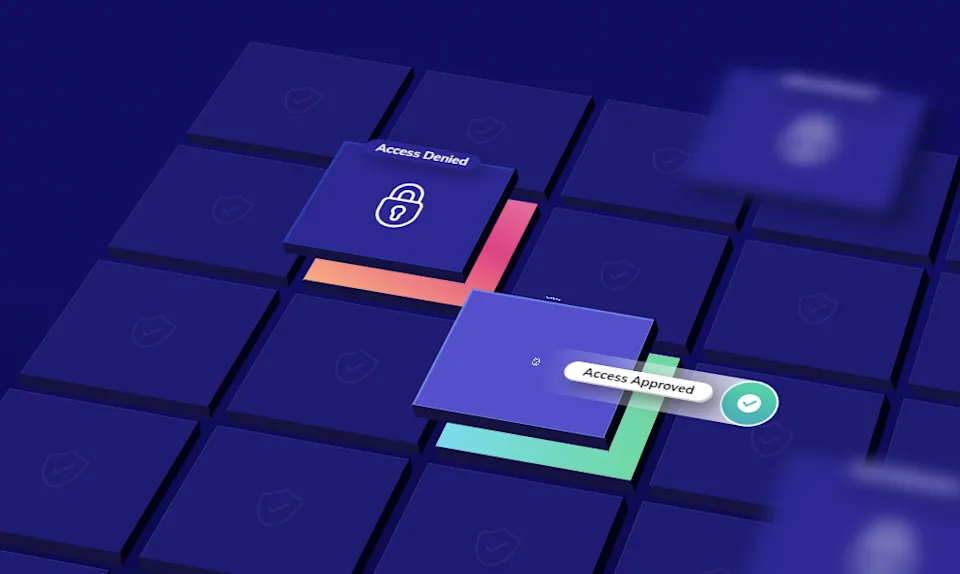
Identity has become the new security perimeter. Traditional network-based security models are no longer sufficient because users, applications, and devices frequently operate outside of traditional corporate boundaries. Organizations must verify and manage identities regardless of where access requests originate.
Identity and Access Management provides the framework that governs how users are authenticated, authorized, and monitored throughout their interactions with organizational resources. By establishing clear policies and security controls, IAM ensures that individuals have appropriate access to systems while reducing opportunities for unauthorized activity.
Effective IAM programs improve both security and operational efficiency by simplifying user management processes and reducing administrative burdens. Organizations gain greater visibility into user activities while maintaining control over access permissions across multiple platforms and environments.
As businesses continue their digital transformation journeys, IAM serves as a critical enabler of secure growth by helping organizations manage increasing numbers of users, devices, applications, and cloud services while maintaining strong security controls.
At IntelliSonic, we help organizations design and implement identity management frameworks that support business objectives while strengthening cybersecurity defenses and reducing operational risk.
Identity Governance and Administration
Creating Structure, Accountability, and Control
Identity Governance and Administration (IGA) focuses on managing user identities and ensuring access rights align with organizational policies and business responsibilities. As organizations grow, user access can become increasingly difficult to manage, resulting in excessive permissions, outdated accounts, and increased security risks.
An effective governance framework establishes policies that define how identities are created, managed, reviewed, and removed throughout their lifecycle. These processes help ensure users receive appropriate access while maintaining accountability and compliance.
Identity governance provides organizations with visibility into who has access to specific systems, what permissions they possess, and whether those permissions remain necessary. Regular access reviews help identify unnecessary privileges, orphaned accounts, and potential compliance issues before they create security vulnerabilities.
Strong governance practices also support regulatory requirements by providing documentation, audit trails, and oversight mechanisms that demonstrate effective access management and control.
IntelliSonic helps organizations establish governance frameworks that improve visibility, reduce administrative complexity, and strengthen overall identity security.
Multi-Factor Authentication (MFA)
Strengthening Authentication Beyond Passwords
Passwords remain one of the most common targets for cybercriminals. Weak passwords, credential theft, phishing attacks, and password reuse continue to contribute to security breaches across organizations of all sizes.
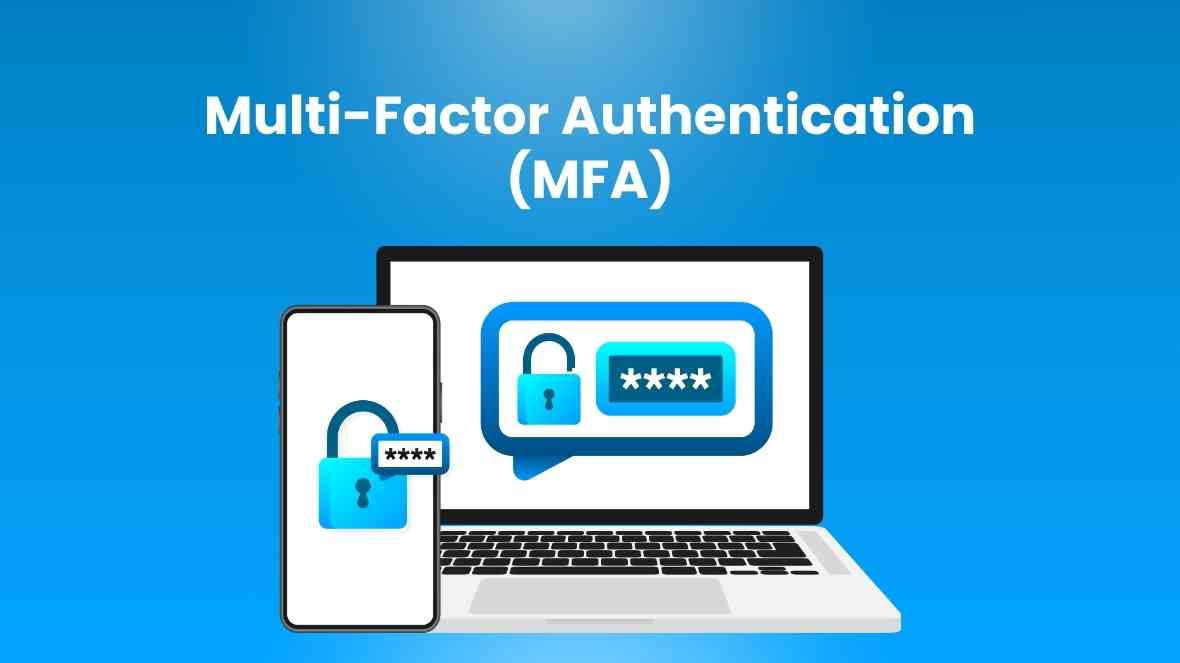
Multi-Factor Authentication adds additional layers of verification beyond traditional passwords. By requiring users to provide multiple forms of authentication, organizations significantly reduce the likelihood of unauthorized access even if credentials become compromised.
Authentication factors may include:
- Passwords and passphrases
- Mobile authentication applications
- Security tokens
- Biometric verification
- One-time passcodes
- Hardware authentication devices
MFA dramatically improves security by requiring attackers to bypass multiple controls rather than relying solely on stolen credentials.
As organizations adopt cloud applications and support remote work environments, MFA has become an essential component of modern cybersecurity strategies. IntelliSonic helps organizations deploy and manage authentication solutions that balance strong security with user convenience and operational efficiency.
Role-Based Access Control (RBAC)
Ensuring Users Access Only What They Need
One of the most effective methods for reducing security risk is limiting access to only those resources necessary for job responsibilities. Excessive permissions increase the likelihood of unauthorized access, accidental errors, and insider threats.
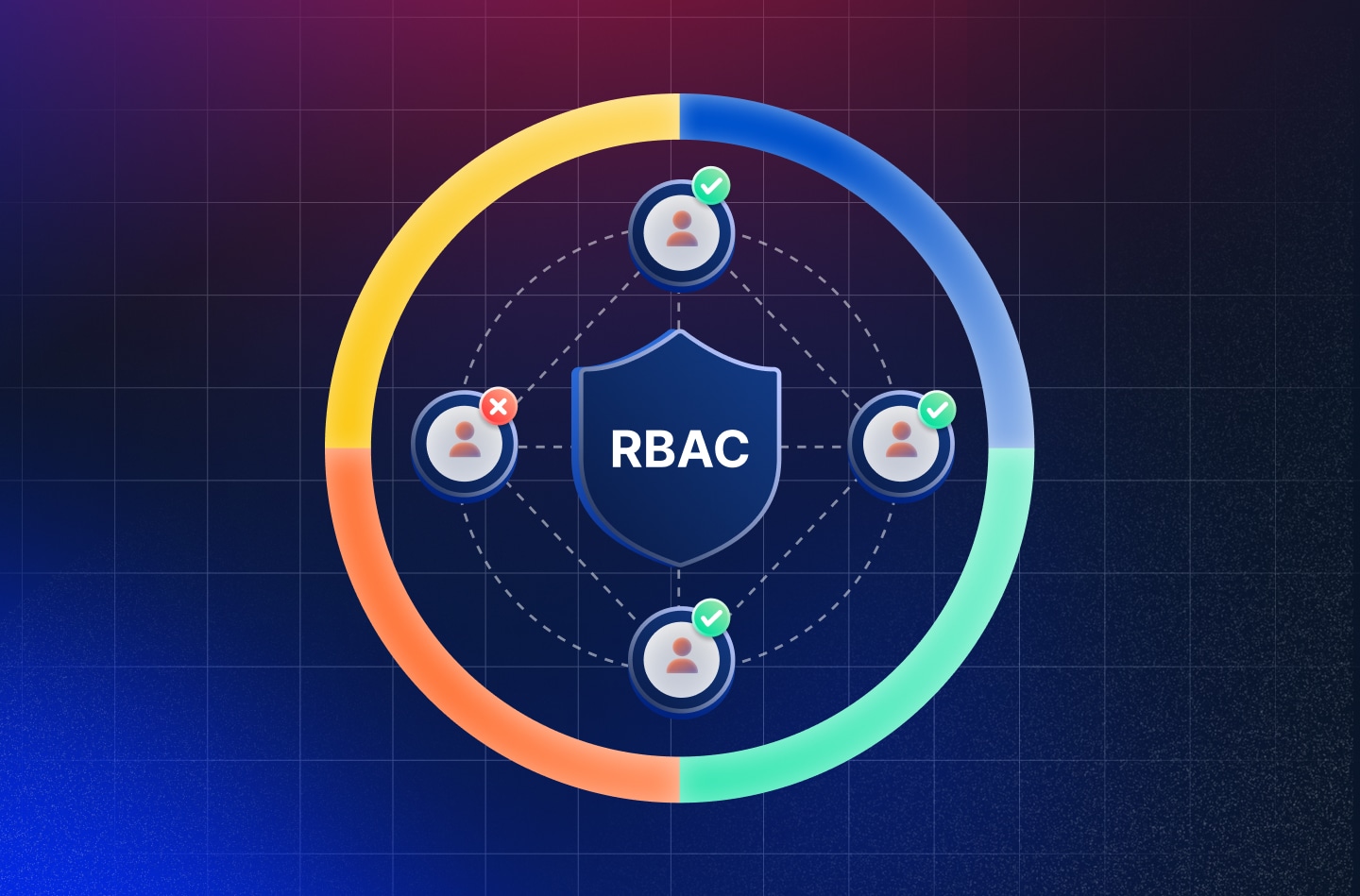
Role-Based Access Control assigns permissions based on predefined roles within the organization. Rather than granting permissions individually, access is aligned with specific job functions and responsibilities.
Benefits of RBAC include:
- Simplified user management
- Improved security consistency
- Reduced administrative effort
- Enhanced compliance support
- Better access visibility
- Lower risk of excessive permissions
Role-based access structures help organizations maintain control over sensitive resources while ensuring users can efficiently perform their responsibilities.
IntelliSonic works with organizations to develop RBAC frameworks that align access privileges with operational requirements while reducing security exposure.

Privileged Access Management (PAM)
Privileged accounts represent some of the most valuable targets for attackers because they often provide extensive access to critical systems and sensitive information. If compromised, privileged accounts can allow attackers to move freely throughout environments and gain control over important assets.
Privileged Access Management focuses on securing, monitoring, and controlling elevated accounts that possess administrative permissions.
PAM solutions help organizations:
- Protect administrative credentials
- Monitor privileged activities
- Restrict elevated access
- Enforce approval workflows
- Record privileged sessions
- Reduce insider threats
By implementing strong controls around privileged accounts, organizations can significantly reduce risk while improving visibility into high-risk activities.
IntelliSonic provides PAM solutions designed to strengthen control over administrative access and reduce opportunities for misuse or compromise.
Single Sign-On (SSO) Solutions
Improving Security and User Experience
As organizations adopt additional applications and cloud services, users often struggle to manage multiple credentials across different systems. This complexity can reduce productivity and encourage insecure behaviors such as password reuse.
Single Sign-On allows users to authenticate once and securely access multiple applications without repeatedly entering credentials. This approach improves both security and user convenience.
Benefits of SSO include:
- Reduced password fatigue
- Improved user productivity
- Simplified authentication processes
- Enhanced security oversight
- Centralized access management
- Better compliance visibility
SSO solutions also provide organizations with centralized control over authentication activities and user access across complex technology environments.
IntelliSonic designs and implements SSO solutions that improve operational efficiency while strengthening identity security.

User Lifecycle Management
Managing Access Throughout the Employee Journey
User access requirements change throughout employment lifecycles. New employees require access to systems, existing employees may change roles, and departing employees must have access removed promptly to prevent security risks.
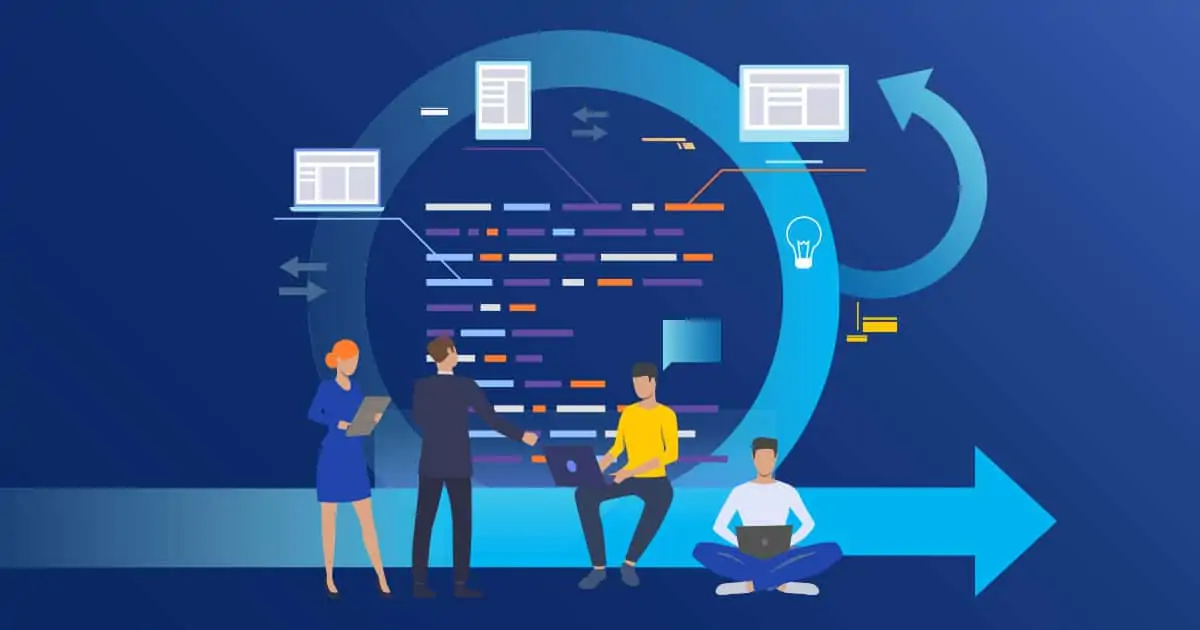
User Lifecycle Management automates and standardizes identity-related processes to ensure access remains aligned with business requirements throughout each stage of employment.
Lifecycle management includes:
- User onboarding
- Role changes
- Access modifications
- Temporary access requests
- Contractor management
- Employee offboarding
Automation reduces administrative workloads while helping organizations maintain accurate and secure access controls.
By managing identities consistently and efficiently, organizations can reduce risk, improve compliance, and strengthen operational effectiveness.
IntelliSonic helps organizations implement lifecycle management solutions that streamline identity administration while maintaining strong security controls.