
Endpoint Security and Protection
Endpoint Security and Protection
Securing Every Device, User, and Connection Across the Enterprise
In today’s digital landscape, endpoints have become one of the most targeted attack surfaces within an organization. Laptops, desktops, servers, smartphones, tablets, virtual machines, and other connected devices serve as critical access points to business applications, sensitive information, and operational systems. As remote work, cloud adoption, and mobile technologies continue to expand, organizations must secure a growing number of endpoints operating across diverse environments.
Cybercriminals frequently target endpoints because they often represent the easiest path into an organization’s infrastructure. A compromised endpoint can provide attackers with access to critical systems, confidential information, and business operations. Malware, ransomware, phishing attacks, credential theft, and zero-day exploits continue to challenge organizations across every industry.
IntelliSonic’s Endpoint Security and Protection services help organizations establish comprehensive security controls designed to protect devices, users, and data from evolving cyber threats. Through advanced monitoring, threat detection, vulnerability management, policy enforcement, and incident response capabilities, we help organizations reduce risk while maintaining productivity and operational efficiency.


Overview of Endpoint Security
Protecting the Frontline of Modern Cybersecurity
Endpoints serve as the primary interaction point between users and organizational systems. Every employee accessing email, applications, cloud services, or business resources relies on an endpoint device to perform daily responsibilities. Because endpoints interact directly with users and external environments, they are frequently targeted by attackers seeking to gain unauthorized access to organizational assets.
Traditional endpoint protection approaches focused primarily on antivirus software and signature-based detection methods. While these solutions continue to play an important role, today’s threat landscape requires more advanced capabilities capable of identifying sophisticated attacks that often bypass traditional defenses.
Modern endpoint security incorporates multiple layers of protection designed to prevent, detect, investigate, and respond to threats. These capabilities help organizations maintain visibility across their device ecosystem while reducing opportunities for compromise.
Effective endpoint security strategies also support broader cybersecurity objectives by improving compliance, reducing attack surfaces, strengthening user protection, and enhancing organizational resilience. By securing endpoints, businesses create stronger defenses against both external and internal threats.
At IntelliSonic, we help organizations implement comprehensive endpoint security frameworks that align with business objectives while protecting critical assets from evolving cyber risks.
Endpoint Detection and Response (EDR)
Identifying and Responding to Threats in Real Time
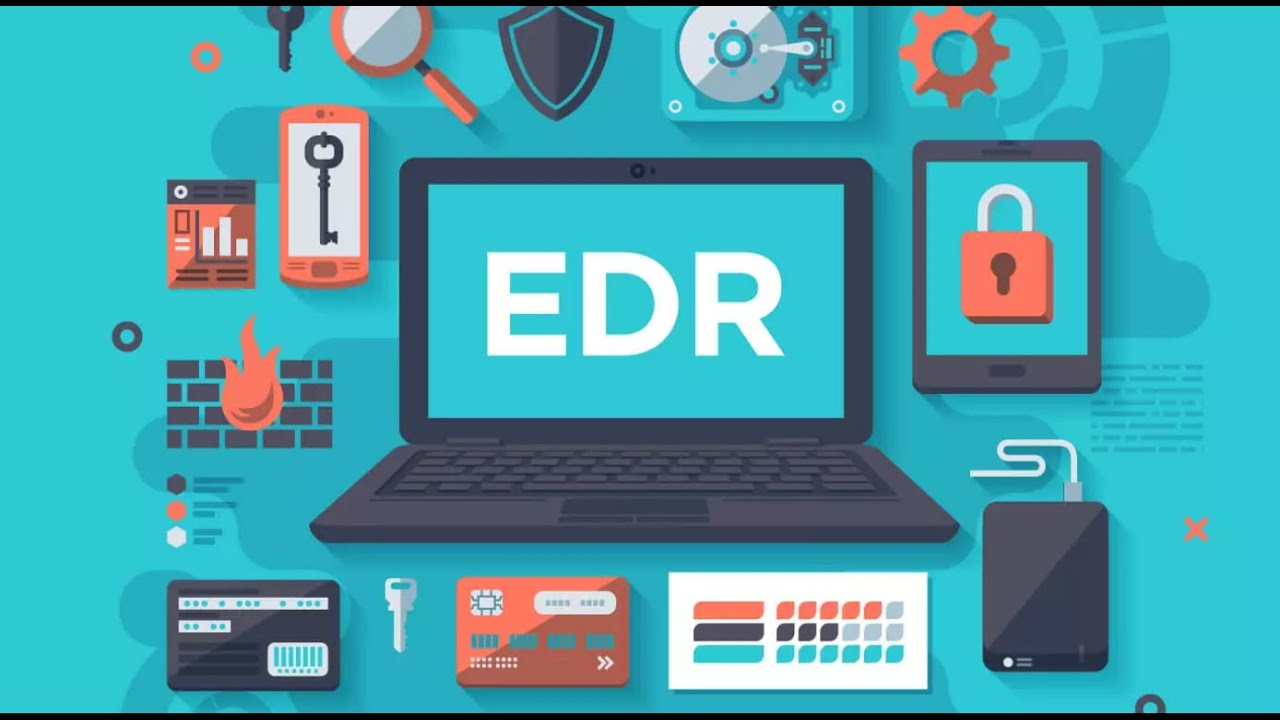
Traditional security solutions often struggle to detect advanced attacks that utilize legitimate tools, fileless techniques, or sophisticated evasion methods. Endpoint Detection and Response (EDR) technologies address this challenge by continuously monitoring endpoint activities and analyzing behavior to identify suspicious actions.
EDR solutions provide organizations with detailed visibility into endpoint events, allowing security teams to investigate incidents and respond quickly when threats are detected. Unlike traditional antivirus solutions that primarily focus on prevention, EDR platforms support detection, investigation, containment, and remediation activities.
EDR capabilities typically include:
- Continuous endpoint monitoring
- Behavioral analysis
- Threat detection
- Incident investigation
- Forensic data collection
- Automated response actions
- Threat hunting support
- Security analytics
These capabilities help organizations identify threats that may otherwise remain undetected for extended periods.
By implementing EDR solutions, organizations gain stronger visibility into endpoint activities and improve their ability to contain threats before they impact critical business operations.
IntelliSonic leverages advanced EDR technologies to help organizations strengthen threat detection and accelerate response efforts across their environments.

Malware and Ransomware Protection
Defending Against Modern Cyber Threats
Malware and ransomware continue to represent some of the most damaging cyber threats facing organizations today. Attackers use increasingly sophisticated techniques to infiltrate systems, encrypt data, disrupt operations, and demand financial payments.
Ransomware attacks can result in significant operational disruptions, financial losses, reputational damage, and compliance challenges. Traditional security controls alone may not provide sufficient protection against modern attack techniques.
Comprehensive malware and ransomware protection strategies focus on multiple layers of defense including:
- Threat prevention
- Behavioral analysis
- File reputation services
- Application controls
- Threat intelligence integration
- Automated containment
- Data protection measures
- Recovery planning
Organizations that implement layered security controls are better positioned to reduce the likelihood and impact of ransomware incidents.
IntelliSonic helps organizations develop proactive defense strategies designed to prevent malware infections and improve resilience against ransomware attacks.
Device Configuration and Security Management
Establishing Consistent Security Across Endpoint Environments
Device security extends beyond threat detection and prevention. Organizations must also ensure endpoints are configured according to security best practices and organizational policies.
Inconsistent configurations can create vulnerabilities that attackers may exploit to gain access to systems and sensitive information. Proper device management helps reduce these risks by establishing standardized security controls across the endpoint environment.
Configuration management includes:
- Security policy enforcement
- Operating system hardening
- Application management
- Device inventory management
- Configuration monitoring
- Security baseline implementation
- Patch compliance tracking
- Access control enforcement
Maintaining secure configurations improves overall security posture while reducing operational complexity and administrative overhead.
IntelliSonic helps organizations establish effective device management programs that support security, compliance, and operational consistency.


Mobile Device Security
Protecting Business Operations Beyond Traditional Endpoints
Mobile devices have become essential tools for modern business operations. Employees frequently access corporate resources, communicate with customers, and perform critical tasks using smartphones and tablets. While mobile technologies improve flexibility and productivity, they also introduce unique security challenges.
Mobile devices may operate outside traditional security perimeters, connect to untrusted networks, and store sensitive business information. As a result, organizations require security controls specifically designed for mobile environments.
Mobile security strategies may include:
- Mobile Device Management (MDM)
- Mobile Application Management (MAM)
- Data encryption
- Remote wipe capabilities
- Device compliance monitoring
- Secure authentication
- Application security controls
- Mobile threat detection
These controls help organizations protect information while supporting secure mobile productivity.
IntelliSonic helps organizations secure mobile environments without compromising user experience or operational effectiveness.
Vulnerability Management and Remediation
Identifying and Addressing Security Weaknesses Before Attackers Do
Cybercriminals frequently exploit known vulnerabilities to gain access to systems and deploy malicious activities. Organizations that fail to identify and remediate vulnerabilities promptly increase their exposure to security incidents and operational disruptions.
Vulnerability management is a continuous process that involves identifying weaknesses, assessing risks, prioritizing remediation efforts, and validating corrective actions.
Effective vulnerability management includes:
- Vulnerability scanning
- Asset discovery
- Risk assessment
- Prioritization processes
- Patch management
- Remediation tracking
- Validation testing
- Reporting and analytics
By proactively managing vulnerabilities, organizations can significantly reduce attack surfaces and improve overall cybersecurity resilience.
IntelliSonic provides vulnerability management services that help organizations identify risks and implement effective remediation strategies before threats can be exploited.

Continuous Endpoint Monitoring and Compliance
Maintaining Visibility, Accountability, and Security Assurance
Organizations require continuous oversight of endpoint environments to ensure devices remain secure, compliant, and operationally effective. Monitoring capabilities provide visibility into user activities, device health, security events, and policy compliance.
Continuous monitoring helps organizations:
- Detect suspicious behavior
- Track compliance status
- Identify unauthorized activities
- Monitor device performance
- Verify security controls
- Support audits and reporting
- Improve incident response readiness
Monitoring also supports compliance initiatives by providing documentation and evidence that security controls are functioning as intended.
IntelliSonic delivers monitoring solutions that help organizations maintain visibility and strengthen governance across endpoint environments.