
Network Security Management
Network Security Management
Protecting Critical Infrastructure Through Advanced Network Defense Strategies
Modern organizations depend on interconnected networks to support business operations, facilitate communication, provide access to critical applications, and enable digital transformation initiatives. As businesses continue to expand their digital footprints through cloud computing, remote work environments, mobile technologies, and third-party integrations, network infrastructures become increasingly complex and challenging to secure.
Cybercriminals frequently target networks because they serve as gateways to valuable business assets, sensitive information, and mission-critical systems. A single network vulnerability can provide attackers with opportunities to move laterally across environments, compromise sensitive data, disrupt operations, or establish long-term persistence within organizational systems.
IntelliSonic’s Network Security Management services help organizations establish comprehensive security frameworks designed to protect network infrastructures from evolving cyber threats. Through advanced monitoring, strategic security controls, proactive threat management, and continuous optimization, we help organizations strengthen their security posture while maintaining operational performance and business continuity.


Overview of Network Security Management
Building a Secure Foundation for Digital Operations
Network security serves as one of the most critical components of any cybersecurity strategy. Every device, application, user, and service relies on network infrastructure to communicate and exchange information. As a result, securing network environments is essential for protecting organizational assets and maintaining business operations.
Network Security Management involves the implementation of policies, technologies, processes, and monitoring capabilities designed to safeguard network resources from unauthorized access, misuse, and cyber threats. Effective network security strategies focus not only on preventing attacks but also on detecting suspicious activities, minimizing risks, and supporting rapid response capabilities.
Organizations today face increasingly sophisticated threats including ransomware attacks, advanced persistent threats (APTs), insider risks, distributed denial-of-service (DDoS) attacks, and network-based exploitation techniques. Traditional perimeter defenses alone are no longer sufficient to protect against these evolving risks.
A modern network security strategy requires continuous visibility, layered security controls, proactive monitoring, and adaptive defenses capable of responding to changing threat landscapes. By implementing comprehensive network security management practices, organizations can strengthen resilience, reduce vulnerabilities, and improve overall cybersecurity effectiveness.
At IntelliSonic, we help organizations develop and maintain secure network environments that support business growth while protecting critical assets from emerging threats.
Firewall Architecture and Management
Establishing Strong Perimeter and Internal Security Controls
Firewalls remain one of the most important security technologies for protecting network environments. They serve as gatekeepers that control the flow of traffic between trusted and untrusted networks, helping organizations prevent unauthorized access while supporting legitimate business communications.
Modern firewall solutions have evolved far beyond basic packet filtering. Today’s next-generation firewalls provide advanced capabilities such as application awareness, intrusion prevention, threat intelligence integration, user-based access controls, and encrypted traffic inspection.
Effective firewall management requires more than simply deploying firewall devices. Organizations must continuously review, update, and optimize security policies to ensure protections remain aligned with business requirements and evolving threat conditions.
Our firewall management services focus on:
- Security policy development
- Rule optimization
- Access control management
- Traffic analysis
- Threat detection integration
- Configuration management
- Compliance support
- Performance optimization
Proper firewall governance helps organizations reduce attack surfaces while maintaining efficient network performance and operational flexibility.
IntelliSonic designs and manages firewall architectures that provide strong protection without compromising business productivity.


Network Segmentation and Zero Trust Architecture
Limiting Threat Movement and Strengthening Internal Security
Traditional network environments often allow unrestricted communication between systems once access has been granted. This approach creates significant risks because attackers who gain access to one area of the network may be able to move laterally and compromise additional systems.
Network segmentation addresses this challenge by dividing environments into smaller, controlled zones that restrict communication between systems based on business requirements and security policies. Segmentation helps contain threats, reduce attack surfaces, and improve visibility across network environments.
Zero Trust Architecture expands upon segmentation principles by assuming that no user, device, or system should be automatically trusted regardless of location. Every access request must be verified, authenticated, and continuously evaluated.
Key benefits include:
- Reduced lateral movement
- Improved access control
- Enhanced visibility
- Better compliance support
- Stronger threat containment
- Reduced insider risk
Organizations implementing segmentation and Zero Trust strategies are better positioned to defend against modern cyber threats while maintaining operational flexibility.
IntelliSonic helps organizations design secure network architectures that improve resilience and reduce exposure to security risks.
Intrusion Detection and Prevention Systems (IDS/IPS)
Detecting and Blocking Malicious Activities in Real Time
Cyberattacks often generate indicators that can be detected through careful monitoring and traffic analysis. Intrusion Detection Systems (IDS) and Intrusion Prevention Systems (IPS) help organizations identify suspicious activities and respond before attackers achieve their objectives.
IDS solutions continuously monitor network traffic and generate alerts when potentially malicious behavior is identified. IPS solutions go a step further by automatically blocking or mitigating threats in real time.
These technologies help organizations defend against:
- Malware activity
- Exploitation attempts
- Unauthorized access
- Reconnaissance activities
- Command-and-control communications
- Policy violations
Advanced detection systems utilize behavioral analytics, signature-based detection, machine learning algorithms, and threat intelligence feeds to improve effectiveness.
IntelliSonic integrates IDS and IPS technologies into broader security programs to improve visibility, strengthen defenses, and reduce response times.

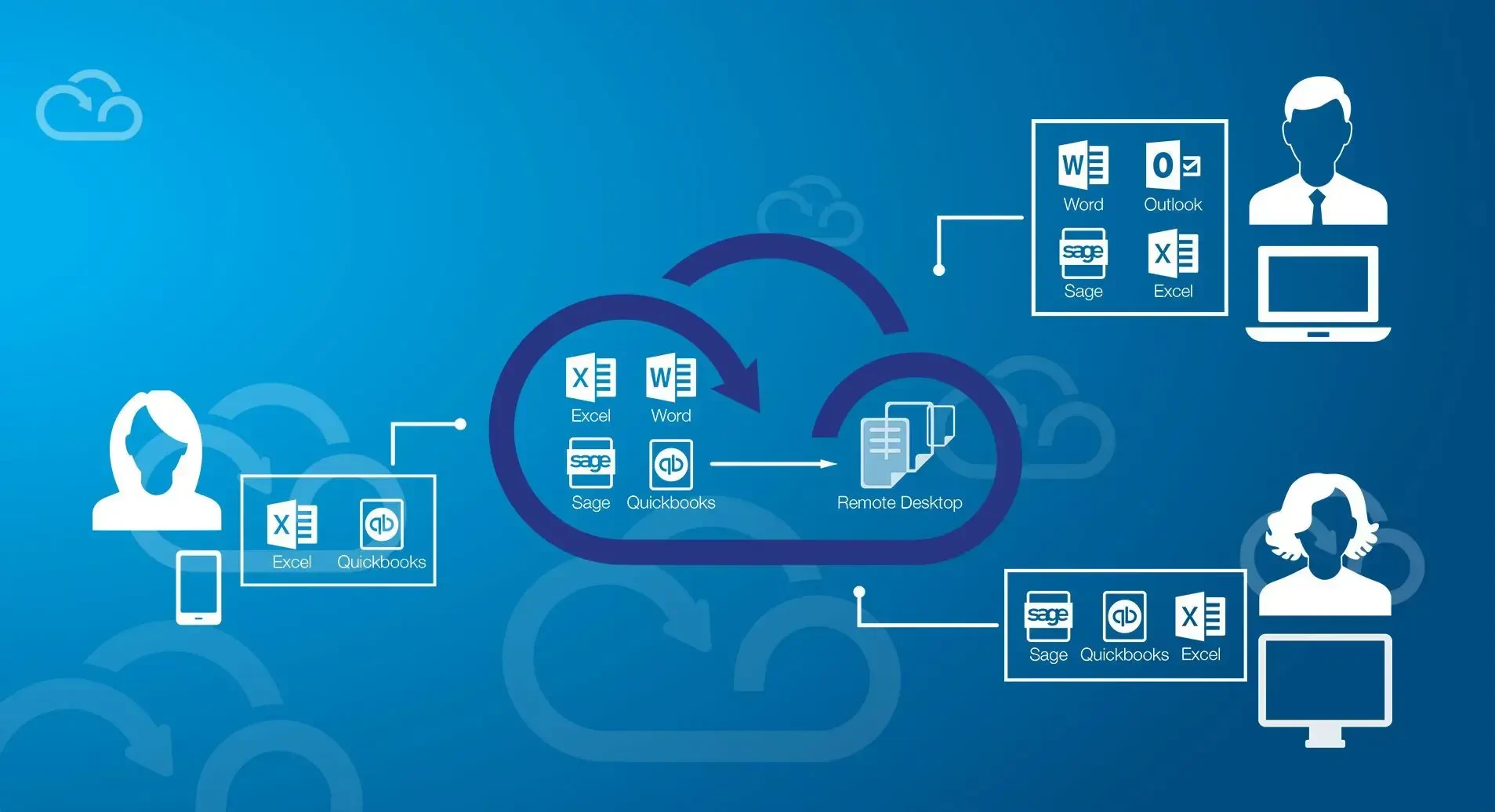
Secure Remote Access Solutions
Protecting Users in Hybrid and Remote Work Environments
The modern workforce increasingly relies on remote access technologies to connect to business systems and resources. While remote work provides flexibility and productivity benefits, it also introduces new security challenges that organizations must address.
Secure remote access solutions help ensure users can safely connect to organizational resources regardless of location while maintaining strong security controls.
Key components may include:
- Virtual Private Networks (VPNs)
- Zero Trust Network Access (ZTNA)
- Multi-factor authentication
- Secure gateways
- Device verification
- Access monitoring
- Session management
Properly secured remote access environments reduce the risk of unauthorized access while supporting business continuity and workforce flexibility.
IntelliSonic helps organizations implement secure remote access frameworks that balance security, usability, and operational efficiency.
Network Monitoring and Visibility
Gaining Real-Time Insight into Network Activity
Organizations cannot effectively secure what they cannot see. Comprehensive network visibility is essential for identifying threats, understanding traffic patterns, and maintaining operational awareness.
Network monitoring solutions provide real-time insight into:
- Traffic flows
- User activities
- System communications
- Performance metrics
- Security events
- Application behavior
- Infrastructure health
By continuously monitoring network environments, organizations can identify unusual activities, investigate anomalies, and respond rapidly to potential threats.
Network visibility also supports capacity planning, performance optimization, compliance initiatives, and operational decision-making.
IntelliSonic provides advanced monitoring solutions that transform network data into actionable intelligence, helping organizations improve both security and operational performance.


Threat Mitigation and Incident Response
Responding Quickly to Security Events and Emerging Threats
Despite strong preventive controls, organizations must be prepared to respond effectively when security incidents occur. Threat mitigation focuses on limiting the impact of attacks while restoring normal operations as quickly as possible.
An effective response strategy includes:
- Threat identification
- Incident analysis
- Containment procedures
- Eradication activities
- Recovery planning
- Post-incident reviews
- Continuous improvement initiatives
Rapid response capabilities can significantly reduce operational disruption, financial losses, and reputational damage associated with cybersecurity incidents.
IntelliSonic helps organizations develop structured incident response processes that improve resilience and strengthen overall cybersecurity readiness.